


 Français
 There was a time when love began with a glance across a café or a conversation at a party. Today, for millions of people worldwide, the quest for love starts with a swipe. In our digital era, algorithms sort, filter, recommend—and even simulate—potential partners. But what do we really know about how this technological shift impacts intimacy?
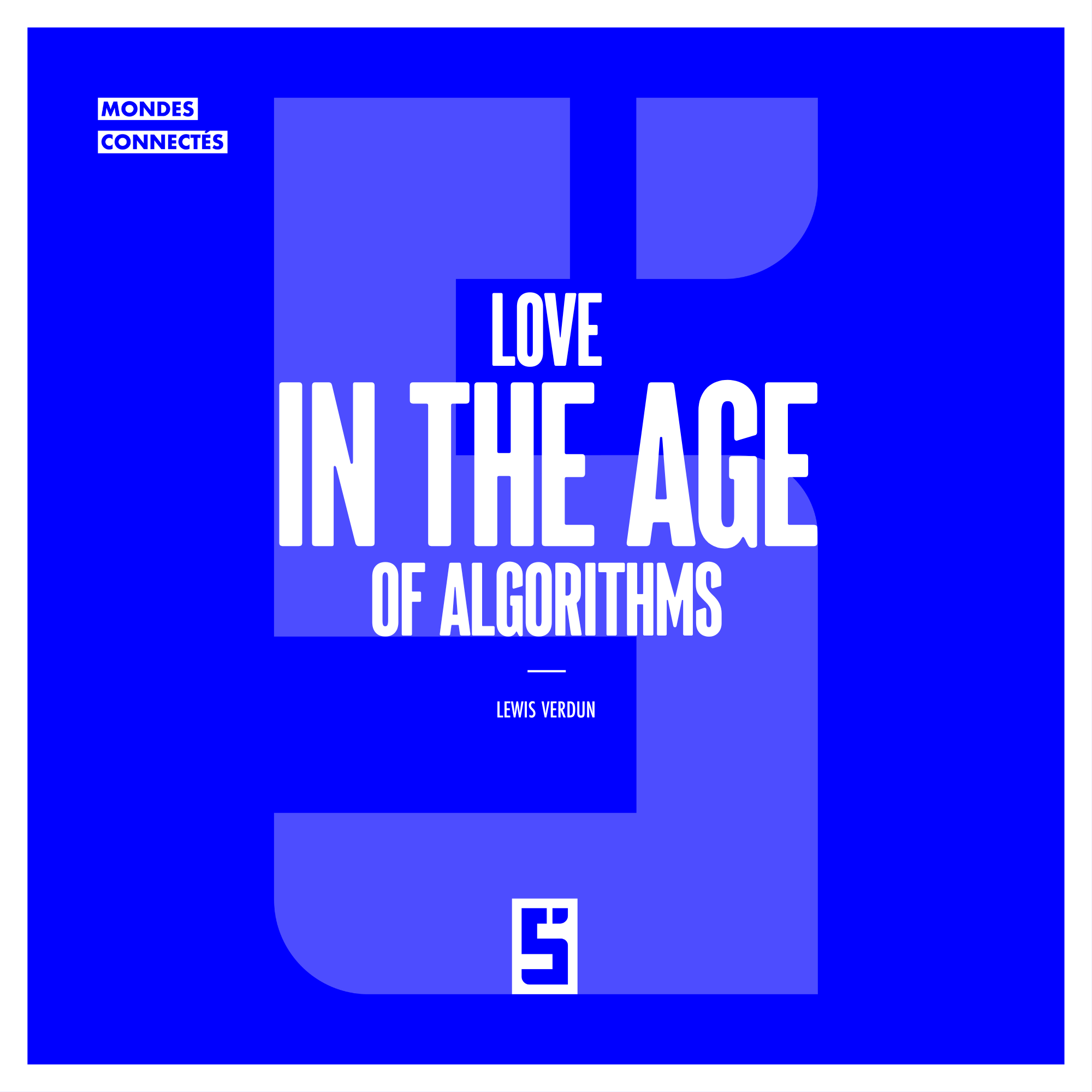
In Love in the Age of Algorithms, Lewis Verdun offers a concise yet rich investigation into how artificial intelligence is reshaping romantic relationships. Published by Five Minutes as part of the Mondes Connectés collection, this mini-book draws on recent research to examine how dating apps influence who we meet, how we love, and what we expect from relationships.
When Algorithms Become Matchmakers
Apps like Tinder, Bumble, and Hinge don’t simply connect people—they calculate compatibility using algorithms trained on millions of interactions: swipes, likes, replies, message timing... But as Verdun explains, this model is far from neutral. It tends to amplify existing social biases—including racial, gender-based, and ageist tendencies.
For example, users from racial minorities or over 50 often receive fewer matches—not due to a lack of desirability, but because algorithms reward what is already popular. This leads to a feedback loop of preference standardization, where difference becomes invisible.
From Abundance to Fatigue
More options should mean more chances at love, right? Not always. Many users report burnout and emotional fatigue. In psychology, this is known as the “paradox of choice”—when too many options create confusion and dissatisfaction.
Dating apps also gamify intimacy, turning it into a series of short-term interactions. The hope of finding the "perfect match" through algorithmic filtering often makes real-life connections feel disappointing by comparison.
Some users turn to virtual alternatives: 19% of American adults have experimented with AI partners, and 52% of teenagers already talk to chatbots as if they were real confidants. This trend is reshaping not only what we want from others—but what we expect from love itself.
Privacy, Data, and Digital Ethics
One of the most valuable aspects of the book is its focus on the ethical risks of algorithmic intimacy. Dating platforms collect sensitive data: sexual orientation, location, preferences, private messages…
This raises concerns about data privacy and emotional manipulation. When algorithms suggest or exclude people based on hidden logic, our personal choices are subtly shaped by technology.
Furthermore, emotional dependence on interfaces—not people—can deepen social isolation. Has love become another product, subject to the logic of the attention economy?
Toward a Freer and More Conscious Love
Despite these concerns, Love in the Age of Algorithms is not anti-tech. It calls for a more ethical and transparent design of digital intimacy:
Algorithm transparency – requiring platforms to disclose how matches are made
Highlighting diversity – making underrepresented profiles more visible
Slow dating – encouraging deeper connections beyond swiping
Digital consent education – teaching users to recognize manipulation
AI ethics and regulation – protecting users from exploitative dynamics
These steps don’t guarantee love, but they help create space for real connection, emotional safety, and choice in a hyper-optimized world.
Through over twenty investigations, Lewis Verdun offers a lucid and well-researched reflection on the role of AI in our emotional lives. Neither alarmist nor naive, this book invites us to rethink what it means to love in the age of algorithms.
Discover Love in the Age of Algorithms now on the Five Minutes website!