


 Français
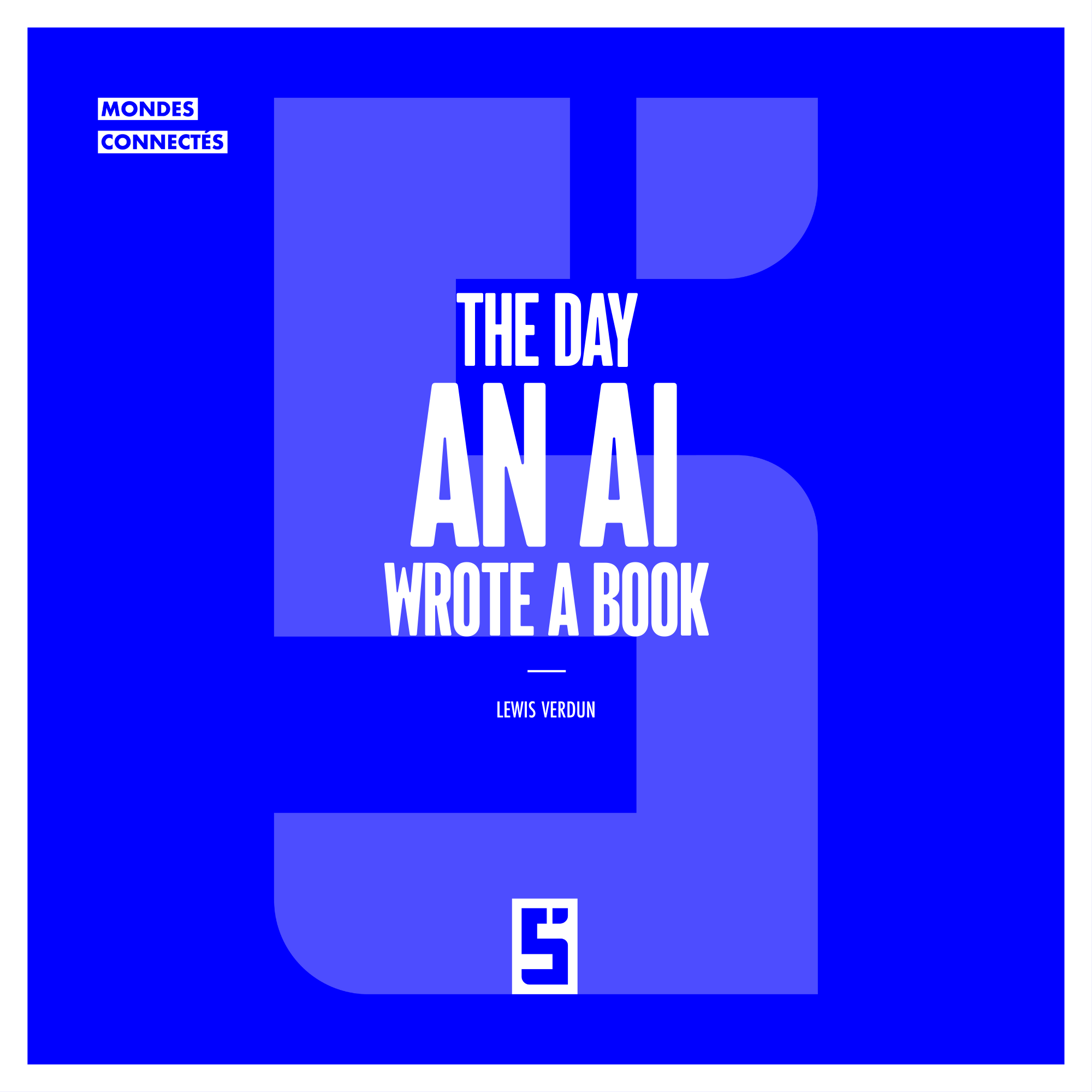
 As artificial intelligence integrates into our daily lives, it is also transforming industries once thought untouchable—like literary creation. Can we still talk about human literature when algorithms can generate coherent novels, design covers, and translate entire works in seconds? Through this crucial question, the book The Day an AI Wrote a Book by Léwis Verdun, recently released in the Connected Worlds collection by Five Minutes, tackles a burning issue: the impact of AI on the future of publishing.
Without revealing the book’s content, this article explores the broader transformations of the literary world in the age of AI, focusing on a related theme: the new creative challenges in the era of generative intelligence.
Generative AI: A New Tool or a Creative Rival?
The rapid rise of language models like ChatGPT, Claude, and Mistral has radically changed the landscape for writers. Once considered a writing aid, AI is now capable of producing full texts with nuanced style—even replicating an author’s voice based on previous works.
Some creators view these tools as an opportunity: time savings, experimentation with new styles, faster translation. Others see them as an existential threat. Can a work still be considered personal if it was co-created with a machine? The emblematic case of Rie Qudan, who co-wrote an award-winning novel with ChatGPT, perfectly illustrates this ambiguity.
Far from being a niche phenomenon, AI usage in publishing is spreading across the entire production chain. Publishers are using it to detect potential bestsellers, platforms are automating proofreading, and some self-published authors are releasing fully AI-generated books—sometimes without disclosing it.
Legal and Ethical Issues: A Void to Be Filled
One of the biggest concerns raised by this revolution is the question of copyright. AI models are trained on billions of texts, often without the authors’ consent. So who owns the output? The user? The model’s developer? Or no one at all?
Globally, answers vary. Europe is attempting to regulate with the AI Act, while the U.S. continues to debate fair use. In China, a court recently ruled in favor of a human writer against an AI accused of partial plagiarism.
These fragmented rulings highlight the urgent need for clear legal frameworks. Léwis Verdun’s book sheds light on these tensions, as well as the mobilizations of writers and publishers seeking to protect human creativity—through collective initiatives and specific licensing models.
Toward Creative Coexistence? The Case for a Hybrid Future
Rather than demonizing or glorifying AI, more and more voices are advocating for a balanced approach. AI is not an end in itself but a tool—just like the printing press or word processors once were. It can be a driver of innovation, provided it's used ethically and transparently.
Some emerging solutions aim to enable coexistence: transparency about AI use, recognizing a “minimum human contribution” to creative works, and developing ethical charters within publishing houses. The goal is to preserve the uniqueness of the human voice while harnessing the potential of AI.
Creative experiments are already underway: co-written poetry, interactive storytelling, augmented novels… Publishing is reinventing itself—and so is the role of the author. It’s no longer just about writing but about orchestrating, curating, and giving meaning.
How Authors Can Adapt: Tools and Best Practices
In a shifting landscape, writers are not powerless. Here are some practical strategies to maintain creative control while integrating (or resisting) AI tools:
Get familiar with generative AI tools
Understanding how language models (like GPT-4 or Gemini) work helps authors either use them more effectively—or avoid them wisely.
Protect your work
Use digital deposit platforms, choose appropriate licenses (e.g., Creative Commons), and monitor how your content circulates online.
Strengthen your “author’s voice”
AI can imitate a style, but it cannot create a vision. Deepening your personal universe, themes, and values remains the best way to stand out.
Join the collective debate
Get involved with author organizations, sign open letters, follow legal developments—be part of shaping the change.
Experiment, but with discernment
AI can help brainstorm ideas, structure chapters, or rephrase content. But the creative intent should always remain human.
In a literary world undergoing profound change, the lines between human creation and artificial generation are increasingly blurred. The Day an AI Wrote a Book, far from offering simplistic answers, opens up valuable perspectives. It invites reflection, experimentation, and above all, informed vigilance in the face of unprecedented disruptions.
Léwis Verdun’s book is an essential resource for all publishing professionals—writers, editors, translators, and curious readers. It sheds light on today’s transformations while offering practical paths to reconcile technology and humanity in literary creation.
Discover The Day an AI Wrote a Book now on Five Minutes!