


 Français
 Relocating, traveling to the other side of the world, or simply spending time in a foreign country may seem idyllic. However, behind the postcards and exotic clichés, many travelers experience a deep upheaval: culture shock. This psychological phenomenon, often minimized or ignored, can transform a rewarding experience into a real personal struggle. Fortunately, understanding it better can help us cope with it.
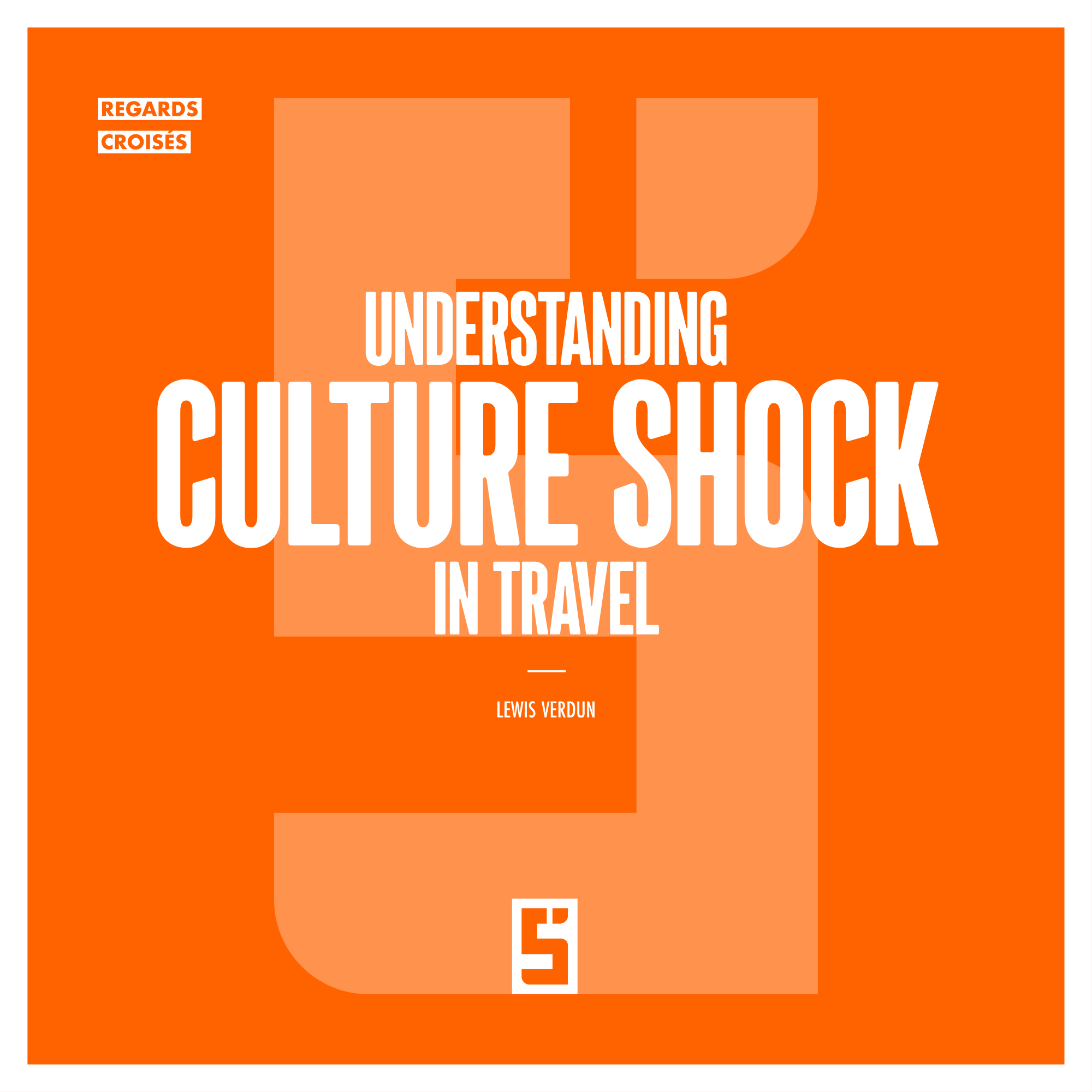
Through the lens of the book Understanding Culture Shock in Travel by Léwis Verdun, published by Five Minutes, we explore an important and relevant theme: how discomfort related to culture shock can become a lever for personal growth. A valuable reflection for occasional travelers, expatriates, digital nomads, and intercultural professionals.
Why is Culture Shock So Disorienting?
Culture shock is not simply a surprise in response to difference. It touches something deeply personal: our habits, values, and worldview. It is a sudden misalignment between our cultural reference points and those of the country we are visiting, leading to feelings of isolation, frustration, and even loss of identity.
The causes are multiple:
A significant cultural distance (language, religion, social norms)
Opposing values (attitudes towards time, hierarchy, personal space)
Communication barriers (language, non-verbal cues)
These factors create intense cognitive and emotional strain, particularly during the first weeks of immersion. As Léwis Verdun explains, this disorientation, if not anticipated, can affect our psychological well-being and hinder the travel experience.
Reverse Culture Shock: The Other Side of Returning
Much is said about culture shock when arriving in a new country, but far less is discussed about the shock one feels… when returning home. What Léwis Verdun calls reverse culture shock occurs when a traveler, after a long period abroad, returns to their home country and feels foreign in their own place.
This phenomenon is amplified by:
The feeling of having changed, while the local context has remained the same
A mutual misunderstanding between the traveler and their loved ones
An idealization of the host country or rejection of the home country
This phase of reintegration is often underestimated by travelers and those around them. However, it requires a process of reflection and reorientation, which the book helps to begin with clarity.
Culture Shock and Mental Health: A Link Still Overlooked
One of the major contributions of the book is its exploration of the impact of culture shock on mental health. Anxiety, isolation, emotional exhaustion, sleep disturbances: the symptoms can be numerous, especially when they persist over time.
Mental health professionals observe an increase in psychological distress among expatriates and long-term travelers. The lack of preparation, absence of local support, and difficulty in expressing oneself in a foreign language often exacerbate this suffering.
However, recognizing these signals allows for the implementation of resilience strategies. Travel then becomes a space for inner transformation, provided one listens to themselves and seeks support if necessary.
Concrete Strategies to Turn Culture Shock into Strength
When managed well, culture shock is not an obstacle but an accelerator of adaptation. Here are some strategies drawn from Léwis Verdun’s book to transform this challenge into an opportunity for growth:
Practical tips to better manage culture shock:
Prepare in advance: research the local culture, learn some basic phrases, anticipate the differences
Accept discomfort: culture shock is an integral part of the experience; it is not a failure
Build a local network: connecting with locals or other expatriates helps alleviate feelings of loneliness
Practice self-care: meditation, journaling, rest, exercise… taking care of yourself is essential
Take intercultural training: it provides concrete tools to better understand cultural differences
Avoid constant comparisons: they reinforce value judgments and frustrations
Talk about your experience: with a coach, therapist, or peer; verbalizing helps to put things into perspective
These strategies apply to all travelers, whether they are students, professionals, or simply curious about the world. They help develop a flexible and respectful intercultural posture, which is essential in our globalized world.
Digital Nomadism: A Silent Culture Shock
The book also addresses a growing phenomenon: digital nomadism. Working online from any country may seem like a dream freedom. However, many digital nomads report loneliness, cultural disconnection, and even identity uprooting.
Living in a country while staying connected to one’s home culture through digital means can create a bubble of isolation, preventing real immersion. Culture shock thus becomes subtle yet persistent. Understanding these mechanisms is crucial to maintaining psychological balance, even when constantly on the move.
A Valuable Resource for Citizens of the World
In a world where mobility is increasing, it is essential to integrate culture shock management into any international mobility experience. Whether one is going abroad for an internship, volunteering, professional missions, or a sabbatical, culture shock should never be underestimated.
Léwis Verdun’s work is a valuable guide for conscious travelers, both rigorous and documented, yet deeply human. It shows that beyond differences, there is a wealth to be discovered—not only in others but also within oneself.
Discover Understanding Culture Shock in Travel now on FIVE MINUTES!