


 Français
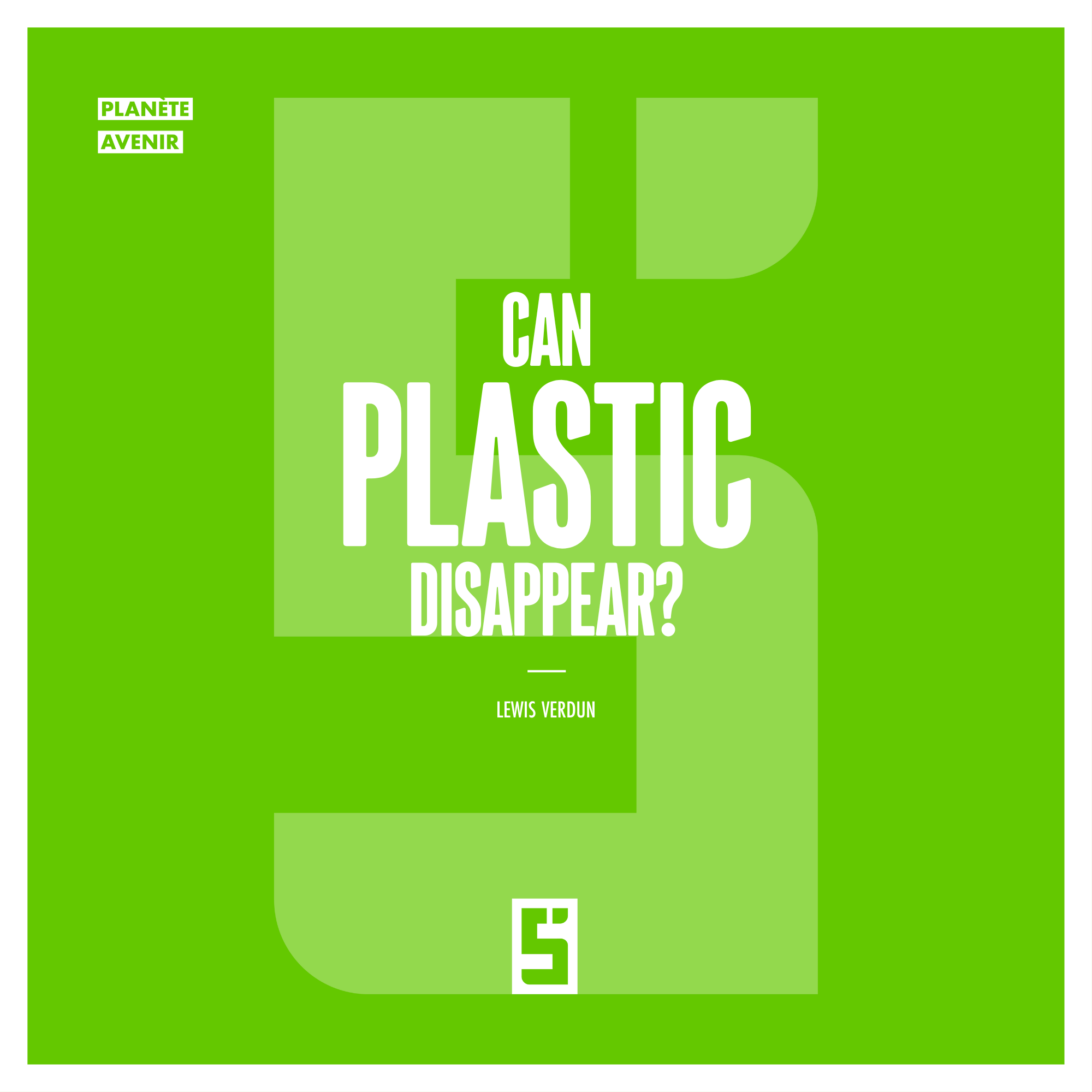
 Every minute, the equivalent of a garbage truck full of plastic is dumped into the oceans. This chilling image illustrates the scale of the crisis. Plastic, once a revolutionary material, has now become one of the most pressing environmental threats of our time. Can it truly disappear? That’s the question raised in the book Can Plastic Disappear? by Léwis Verdun, which examines the systemic issues behind this global emergency. Beyond the alarming facts, this article explores a closely related topic: sustainable solutions that can help us transition to a world free from plastic pollution.
Why Plastic Pollution Has Become a Global Challenge
Plastic transformed the 20th century with its durability, lightness, and low cost. Today, it’s used in every sector: packaging, clothing, construction, medicine, electronics. But its longevity has become its greatest flaw — a single plastic bag can take up to 400 years to decompose.
The consequences of this accumulation are both environmental and human. Microplastics are now found in the oceans, the soil, the air, and even in the human placenta, bloodstream, and brain, as Léwis Verdun highlights in his book. Plastic pollution is no longer just an environmental issue — it’s a public health emergency.
The numbers are staggering: more than 400 million tons of plastic are produced each year, and less than 10% are effectively recycled. The rest ends up in landfills, nature, or incinerators, releasing toxic substances in the process.
A Systemic Shift: Rethinking Our Relationship With Plastic
Eliminating plastic overnight is unrealistic. But radically transforming the way we produce, use, and manage it is both possible and already underway. The shift toward sustainability rests on four key pillars:
Reducing at the source: banning single-use plastics, promoting reusable containers, and implementing strict regulations
Designing differently: embracing eco-design to create products that are durable, modular, easy to repair, or recyclable
Innovating with alternative materials: developing bioplastics, biodegradable polymers, or compostable plastics made from algae, fungi, or agricultural waste
Improving recycling methods: investing in chemical recycling, advanced sorting technologies, and “plastic-eating” microbes capable of breaking down polymers
These approaches are not mutually exclusive. In fact, it’s their combination that opens the door to a realistic exit from our plastic addiction.
Environmental Innovation: A Key Driver of Change
Léwis Verdun highlights several inspiring initiatives in his book. Innovation goes beyond technology — it also includes materials, processes, policies, and even behavior changes.
Plastic-eating organisms, for example, refer to bacteria or fungi capable of digesting certain plastics. Scientists have discovered species that can break down PET (polyethylene terephthalate) in just days — a material that otherwise lingers for centuries.
Meanwhile, bioplastics are quickly gaining ground. Made from corn, potatoes, or algae, they show promise in replacing conventional plastics. But caution is needed — not all bioplastics are biodegradable, and some may compete with food resources.
System-wide projects are also emerging, such as plastic-free cities, ambitious national and regional regulations, and grassroots recycling initiatives. All of these reflect a growing global movement toward a circular economy — one in which waste becomes a resource.
How to Take Action: Practical Solutions for Individuals and Communities
Real change demands action from all levels: institutions, companies, and everyday citizens. While policy reform is crucial, individual decisions still carry significant weight.
Here are a few practical ways to reduce plastic pollution in daily life:
At the individual level:
Avoid overpackaged products
Use reusable bags, bottles, and containers
Shop in bulk when possible
Choose long-lasting materials like glass, stainless steel, and wood
Clean and sort waste properly
Join local clean-up events or support environmental NGOs
At the collective level:
Support businesses committed to circular economy practices
Encourage local authorities to install recycling and composting stations
Advocate for awareness campaigns in schools and public spaces
Push for stronger laws targeting single-use plastics
Final Thoughts and Link to the Book
Getting rid of plastic doesn’t mean eliminating the material entirely, but rather putting an end to its irresponsible and uncontrolled use. As Léwis Verdun argues in Can Plastic Disappear?, fighting plastic pollution requires no silver bullet — but instead a systemic transformation, fueled by innovation, bold public policy, and widespread public awareness.
This concise, well-researched book from the PLANÈTE AVENIR collection by Five Minutes is an excellent introduction to the issue. It offers concrete examples and inspiring solutions to help readers understand — and act.
Discover Can Plastic Disappear? now on FIVE MINUTES! A must-read for anyone committed to building a future free from plastic pollution.