


 Français
 The dark web both fascinates and frightens. Often portrayed as a hidden criminal underground, it is far more nuanced. It's a space where anonymity thrives, resisting surveillance, but also enabling illegal activity. This raises a vital question: how can we reconcile digital freedom with collective security?
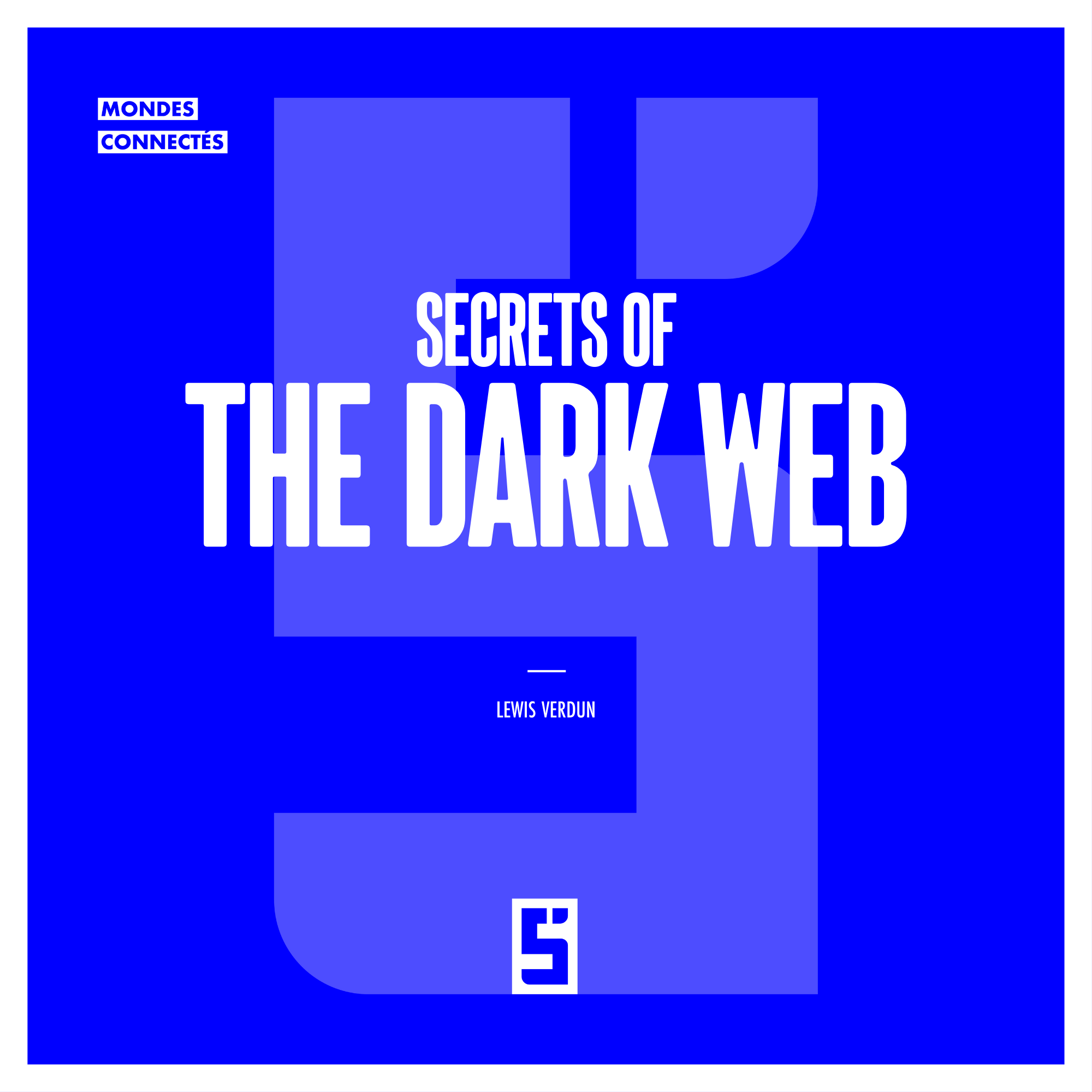
The book Secrets of the Dark Web by Léwis Verdun, part of the Connected Worlds collection published by Five Minutes, offers a clear and compact exploration of this complex topic. Drawing from its perspective, this article explores a related issue: the shifting boundary between freedom of expression and cybersecurity in the era of the dark web.
The Dark Web: Beyond the Myths
The term “dark web” often sparks images of drug markets, hackers, or cybercriminals. But the reality is more complex. Thanks to tools like Tor, the dark web enables anonymous browsing—vital for journalists, whistleblowers, and dissidents operating under repressive regimes.
However, anonymity is a double-edged sword. While it protects freedom, it also provides cover for illicit trade, identity theft, black-market services, and malware distribution.
Cybercrime: The New Digital Arsenal
In his book, Verdun details how the dark web has evolved. Based on 2024–2025 data, he reveals how cybercrime is now highly accessible. From ransomware and password theft to plug-and-play malware kits and on-demand hacking services, the tools of cybercrime are cheap and widespread.
Cryptocurrencies like Bitcoin and Monero are commonly used for anonymous transactions. Monero, in particular, increases untraceability, making it difficult for law enforcement to act.
Emerging threats related to artificial intelligence—such as deepfakes, fake identities, and mass-scale disinformation—are also on the rise, amplifying risks to individuals and institutions alike.
Freedom of Expression vs Surveillance: A Digital Dilemma
One of the book’s strengths is its balanced view. It shows the tension between the need to defend digital freedom and the rising need for digital security.
Should tools like Tor be banned or restricted? Should digital ID be mandatory online? These questions divide experts. While digital rights advocates warn against excessive regulation, cybersecurity professionals argue that unchecked anonymity fuels organized crime.
Some recent international operations on the dark web have succeeded, but they remain rare and require extensive cooperation across borders.
Staying Safe in the Age of the Dark Web: Practical Tips
Use secure password managers
Enable two-factor authentication
Monitor for data leaks
Avoid clicking on suspicious links or attachments
Don’t use public Wi-Fi without protection
Learn basic cybersecurity practices
The Dark Web as a Mirror of Our Digital Contradictions
The dark web is not inherently good or bad. It reflects our era’s digital contradictions: the quest for freedom, the need for privacy, and the risk of abuse through advanced technologies.
Secrets of the Dark Web by Léwis Verdun encourages us to understand this hidden world without bias, arming us with the knowledge to navigate it safely and responsibly.
Discover Secrets of the Dark Web now on FIVE MINUTES !