


 Français
 The Digital World: A New Engine for Identity Transformation
In the globalised era, identity is no longer shaped solely by culture, language, or local history. The digital explosion has redrawn the boundaries of belonging. Today, young people grow up on TikTok, get their news from YouTube, and chat via WhatsApp with contacts across the globe. Immersed in these transnational digital spaces, their sense of self evolves in new ways.
Digital identity has become a central layer of who we are. It serves as both a showcase (social profiles, avatars, browsing history) and a social mirror (algorithmic influence, peer recognition, self-curation). This transformation comes with heavy implications: data surveillance, polarised discourse, and feelings of alienation. The paradox is striking: we’ve never had so many tools to express ourselves—and yet we’ve never been more vulnerable in how exposed we are.
Youth and the Globalisation of Norms
Generation Z—a major focus of Léwis Verdun’s book—faces constant tension between openness and normative pressure. On one hand, globalisation promotes universal values: inclusion, freedom, innovation. On the other, it tends to homogenise aspirations. The global success of media figures, trending aesthetics, and standardised paths to success (startups, influencers, international careers) impose a form of global conformity.
This creates a gap between projected identity and felt identity. Many young people struggle to reconcile their cultural roots with global expectations. The rise in mental health challenges—discussed in the book—is a clear symptom. The need for meaning, grounding, and diverse identities has become an educational, social, and political issue.
Resisting Cultural Erasure: A Collective Challenge
The most insidious risk of globalisation isn’t openness—it’s uniformity. The standardisation of lifestyles, consumption patterns, educational models, or entertainment threatens local cultures, minority languages, and intangible heritage. Yet this diversity is a vital resource for social and ecological resilience.
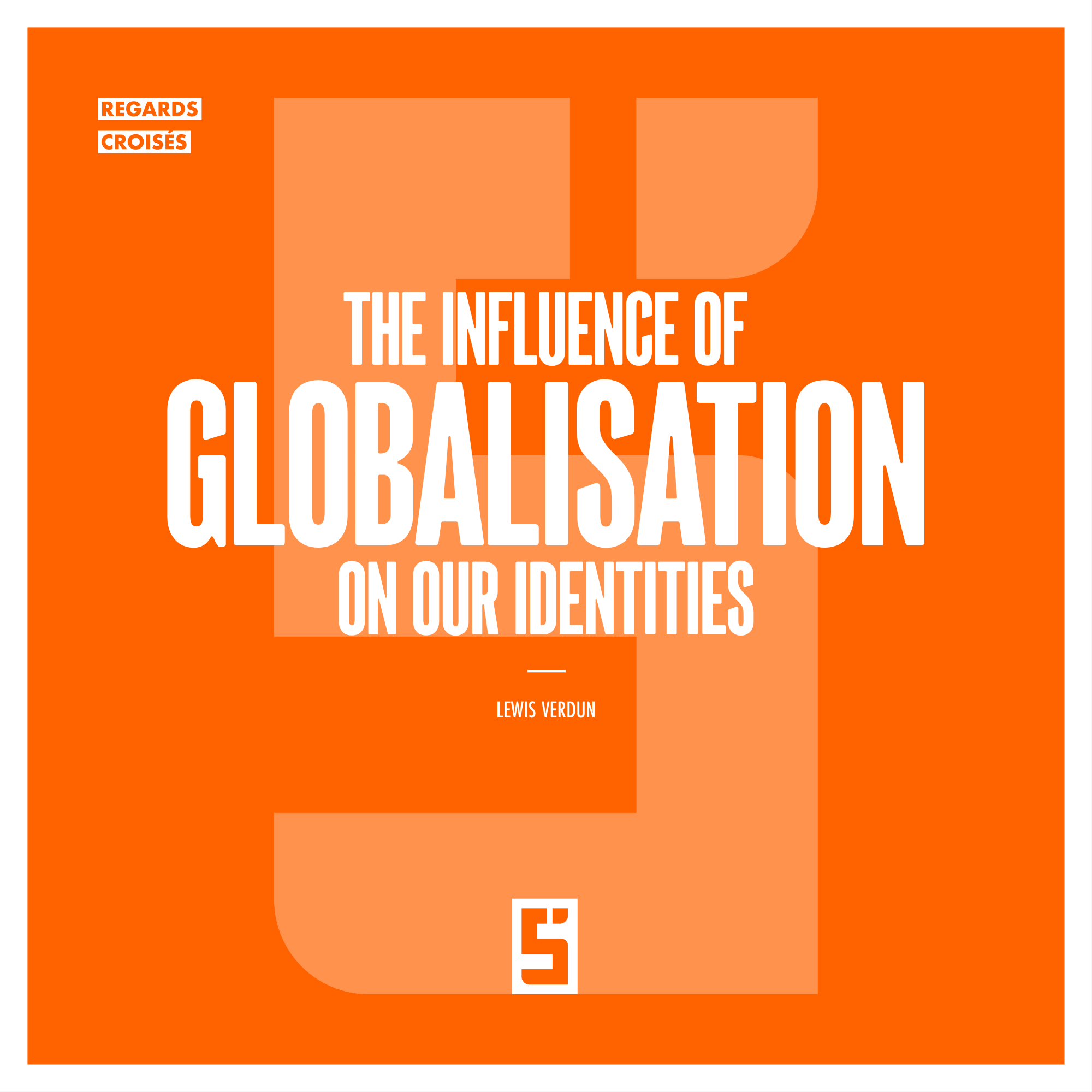
In The Influence of Globalisation on Our Identities, the author highlights the importance of preserving languages, stories, and cultural practices. Heritage isn’t a relic of the past—it’s a strategic tool for the future. It helps build a sense of belonging to a plural community and encourages alternatives to dominant hyper-productivist models.
Local initiatives around the world—from immersive schools teaching regional languages, to independent cultural festivals, to programs reviving Indigenous knowledge—illustrate this creative resistance. Supporting these movements is essential to prevent the cultural impoverishment that can result from globalisation.
Rethinking Identity in an Age of Global Cooperation
Instead of opposing local identities and globalisation, a third way is emerging: relational identity. It's no longer just about defining oneself by origin, but by interactions, commitments, and the ability to coexist in a plural world. This approach calls for cultural cooperation, ethical dialogue, and moving beyond defensive nationalism.
In this spirit, Léwis Verdun offers concrete proposals: fairer global taxation, humanised migration policies, and ethical digital identity governance. These political levers are also identity levers: they allow individuals to feel like actors in the world rather than victims of the system.
Toolkit: How to Preserve Identity in a Globalised World?
Cultivate your cultural heritage
Read and share works from your cultural background
Speak and teach your native language to younger generations
Take part in local cultural events
Develop a conscious digital identity
Adjust social media settings to reduce overexposure
Learn about your digital rights (e.g. GDPR, data control)
Support platforms that respect privacy
Encourage intercultural engagement
Learn a new language out of curiosity
Connect with people from different backgrounds
Join intercultural projects or associations
Commit to ethical globalisation
Support local or fair-trade businesses
Educate yourself about the social impact of your consumption
Vote for inclusive and sustainable public policies
In a world of constant transformation, understanding identity dynamics is more essential than ever. The Influence of Globalisation on Our Identities by Léwis Verdun offers a clear, thoughtful take on today’s most pressing questions. The goal isn’t to reject globalisation, but to reshape it at a human scale, addressing the economic, cultural, and environmental challenges that define both individual and collective trajectories.
Discover The Influence of Globalisation on Our Identities now on FIVE MINUTES!