


 Français
 The silent disappearance of wild animals is one of the most alarming signals of our time. In just a few decades, the fragile balance of ecosystems has been deeply disrupted. Understanding the relationship between animals and the ecological crisis not only helps measure the scale of the problem but also highlights concrete ways to act. Through an accessible and well-documented approach, this topic sheds light on a troubling reality while opening the door to hopeful solutions.
Why is biodiversity declining so rapidly?
Global biodiversity is facing an unprecedented crisis. According to numerous international studies, wild animal populations have declined dramatically in less than half a century. This decrease is the result of multiple interconnected factors that reinforce one another.
Climate change is profoundly altering natural habitats. Polar species, for example, are seeing their territory literally melt beneath them. Migration cycles are disrupted, affecting the reproduction and survival of many species.
At the same time, habitat destruction remains one of the leading causes of decline. Deforestation, urbanization, and intensive agriculture reduce the space available for wildlife. Animals are confined to fragmented areas, limiting their ability to feed and reproduce.
Pollution is another major factor. Oceans are flooded with plastic, soils are contaminated by chemicals, and even the air becomes toxic for certain species. Added to this is the overexploitation of natural resources, particularly through intensive fishing and poaching, which accelerates the disappearance of many populations.
Iconic species under threat
Some species clearly illustrate the consequences of the ecological crisis. Migratory fish, for instance, are heavily impacted by dam construction and water pollution. Their reproductive cycles are disrupted, leading to a significant decline in their populations.
Arctic seals are directly affected by climate change. The melting of sea ice reduces their resting and breeding areas, compromising their long-term survival.
Birds are not spared either. Many species are losing or seeing their habitats transformed, disrupting their migration routes and food sources. This situation creates cascading effects across ecosystems, as each species plays a specific role in the web of life.
This reality highlights a crucial point: the disappearance of one species is never isolated. It triggers imbalances that affect other species, including humans.
The consequences for ecosystem balance
The ecological crisis goes far beyond the simple loss of species. It fundamentally alters how ecosystems function. Every animal contributes to a complex balance: pollination, population regulation, soil fertilization, and more.
When certain species disappear, these essential functions are disrupted. For example, the decline of pollinating insects directly affects food production. Similarly, the disappearance of predators can lead to the overpopulation of other species, creating imbalances that are difficult to control.
These disruptions also have economic and social consequences. Agriculture, fishing, and tourism all depend directly on healthy ecosystems. The ecological crisis is therefore a global issue that extends far beyond environmental concerns alone.
Solutions exist and are already proving effective
Despite this concerning situation, positive initiatives are emerging around the world. Some conservation policies have successfully restored endangered animal populations.
The return of bison to certain lands is a striking example. Thanks to reintroduction programs and collaboration with local communities, this iconic species is gradually reclaiming its place in its ecosystem.
Similarly, efforts to protect tigers in Asia have shown tangible results. By combining anti-poaching measures, habitat protection, and public awareness, some countries have managed to increase tiger populations.
These successes demonstrate that reversing the trend is possible. They rely on a comprehensive approach that combines public policy, scientific commitment, and citizen engagement.
How can we take action in our daily lives?
Faced with the scale of the ecological crisis, it is natural to feel powerless. Yet everyone can contribute to protecting animals and biodiversity at their own level.
Here are some concrete actions you can take:
- Reduce plastic consumption to limit ocean pollution
- Choose sustainable and responsible food options
- Support organizations working to protect species
- Promote local biodiversity by planting suitable species
- Stay informed and raise awareness among others
These simple actions help create a collective dynamic that is essential for preserving the living world.
The current ecological crisis confronts us with a complex reality, but it also opens the door to a global awakening. Understanding the relationship between animals and their environment is a key step toward effective action. Solutions already exist and prove that change is possible, provided we act in a coordinated and sustainable way.
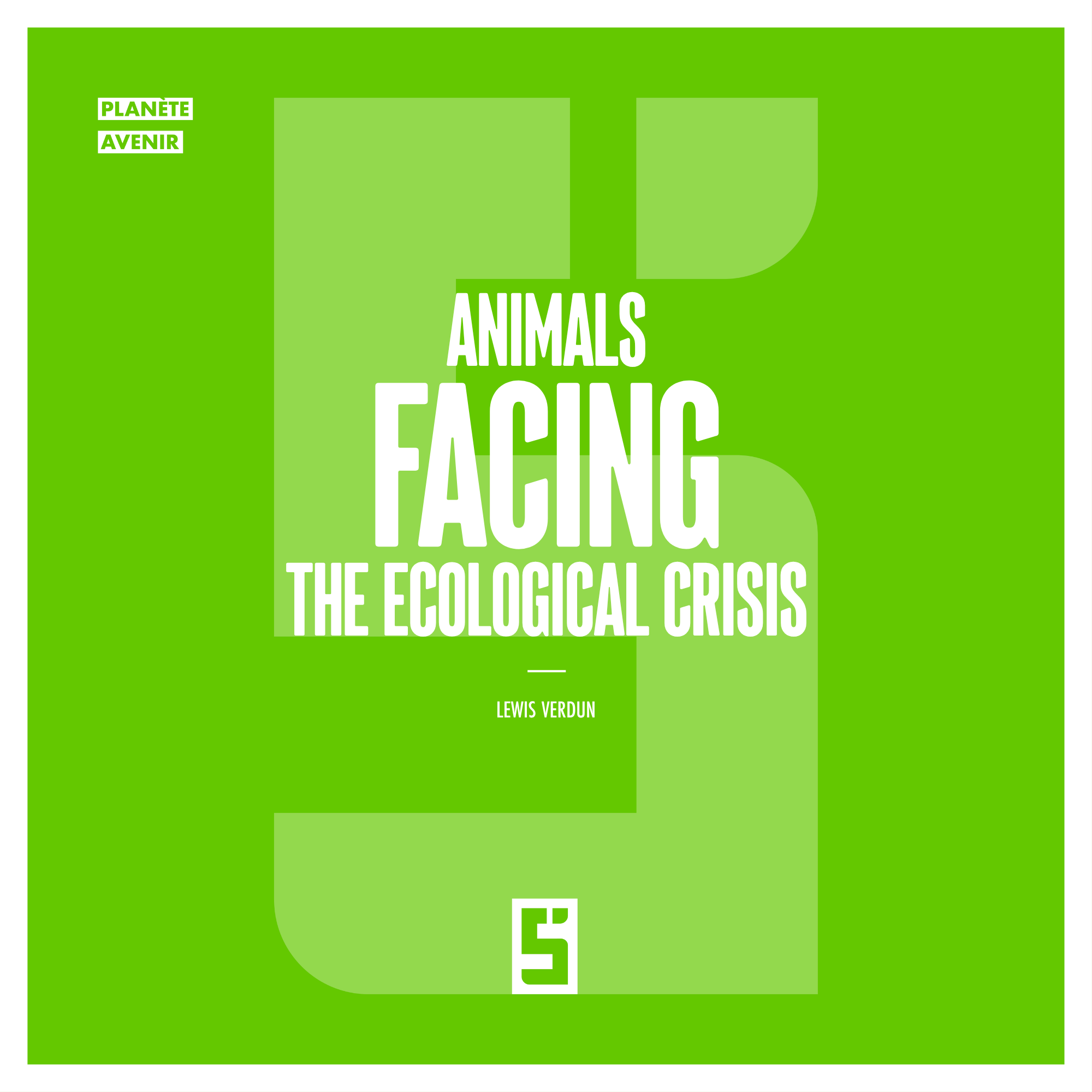
To explore this topic further and discover a detailed analysis based on the latest data, discover Animals Facing the Ecological Crisis by Léwis Verdun now.