


 Français
 In an increasingly fast-paced, hyperconnected, and noisy world, many people feel the need to slow down and reconnect with deeper experiences. This growing desire partly explains the renewed fascination with sacred places — spaces filled with history, spirituality, and sometimes a mysterious sense of energy.
From sacred mountains to ancient temples and pilgrimage routes, these sites attract millions of visitors every year in search of meaning, silence, or wonder. But why do certain places create such a powerful emotional impact? Is it purely a cultural construction, or is there truly an energetic dimension connected to these locations?
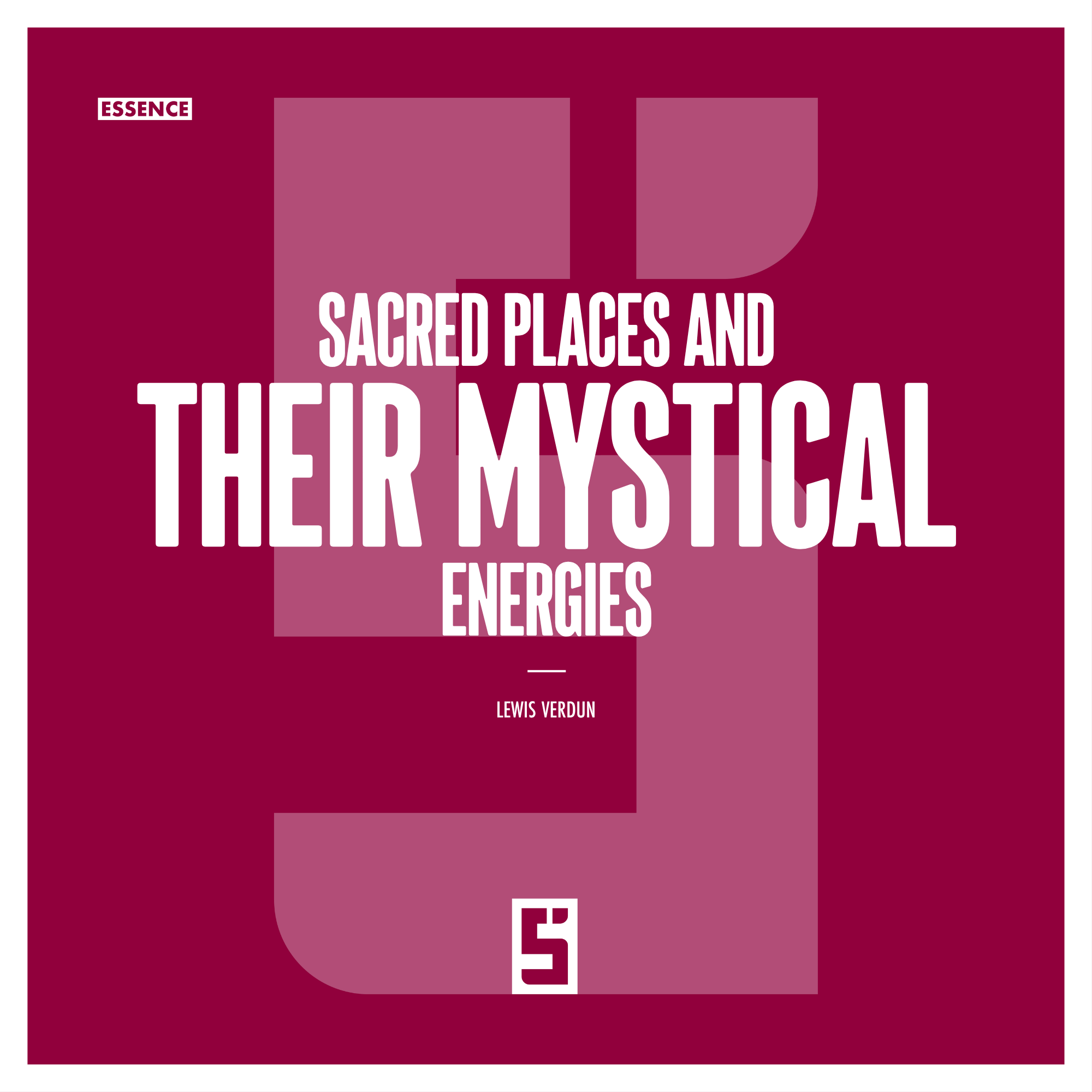
The book Sacred Places and Their Mystical Energies by Léwis Verdun explores this very question through anthropology, psychology, spirituality, and ecology. In this article, we will examine why these places continue to captivate humanity and how they still shape the way we travel and perceive the world.
Why Do Some Places Feel Filled with a Special Energy?
For thousands of years, human civilizations have attributed sacred meaning to certain natural landscapes and monumental structures. Mountains, caves, forests, and temples became meeting points between the visible and invisible worlds.
Recent research in environmental psychology shows that vast natural landscapes can trigger a feeling known as “awe,” a deep sense of admiration and wonder. This emotional state can temporarily alter our perception of time, reduce stress, and create a feeling of connection with something greater than ourselves.
This helps explain the emotional impact of places such as Stonehenge in the United Kingdom, Uluru in Australia, Machu Picchu in Peru, the Borobudur temples in Indonesia, and Mount Kailash in Tibet.
These sites often share several common characteristics: geographic isolation that encourages introspection, symbolic architecture, ancient spiritual histories, and breathtaking landscapes capable of inspiring profound wonder. Rituals and pilgrimages also intensify the emotional experience.
In Sacred Places and Their Mystical Energies, Léwis Verdun explains that this feeling of “presence” emerges both from human psychology and from the collective stories passed down through generations. Myths, beliefs, and traditions deeply influence the way we experience a place.
The Return of Spiritual Tourism in the Modern World
Once mainly associated with religious practices, spiritual travel is now experiencing a powerful revival. Many travelers are searching for more authentic and transformative experiences.
The growing popularity of the Camino de Santiago perfectly illustrates this trend. While some pilgrims walk for religious reasons, many undertake the journey to reconnect with themselves, escape daily routines, or navigate a personal transition.
Today, spiritual tourism takes many forms: meditation retreats, sacred hikes, monastery stays, visits to energetic sites, and contemplative journeys focused on nature and inner well-being.
This movement is also fueled by increasing digital fatigue. Sacred places have become refuges from constant connectivity. Travelers are seeking more than simple entertainment or sightseeing — they want experiences capable of transforming their perspective on themselves and the world around them.
Between Spirituality and Ecology: A New Way to Protect Sacred Sites
One of the most fascinating aspects of sacred places is their deep connection to nature. In many Indigenous cultures, mountains, rivers, and forests are not seen as mere resources but as living entities.
The Anangu people of Australia, guardians of Uluru, and the Arhuaco people of Colombia both promote worldviews where spirituality and ecology are inseparable. This perspective is increasingly attracting the attention of researchers and environmental advocates.
Protecting a sacred site often means preserving biodiversity, cultural traditions, ancestral knowledge, and collective memory. However, these places face growing threats: mass tourism, climate change, urbanization, and industrial exploitation are progressively weakening their balance.
Léwis Verdun’s book emphasizes the importance of more conscious and respectful tourism. Traveling to a sacred place also implies responsibility — preserving its spiritual and environmental identity for future generations.
“Energy Vortices”: Modern Myth or Genuine Human Experience?
Some locations are now famous for their supposed energetic properties. Sedona, in the United States, is one of the best-known examples, attracting thousands of visitors every year because of its alleged “energy vortices.”
Although science has not confirmed the objective existence of these vortices, many people report deeply emotional or spiritual experiences in such places.
Several factors may explain these sensations: the visual power of the landscape, visitors’ psychological expectations, silence, isolation, and meditative practices performed on-site. Collective narratives surrounding these places also strongly influence perception.
Neuroscience research shows that the human brain is highly sensitive to spectacular natural environments. Certain spaces naturally encourage contemplation, relaxation, and deep introspection.
This fascinating boundary between belief, emotion, and perception lies at the heart of Sacred Places and Their Mystical Energies.
How to Experience a Sacred Place Authentically
Visiting a spiritual site is not simply about taking photos or checking a destination off a travel list. A more mindful approach can profoundly transform the experience.
Taking time to observe in silence, respecting local traditions, limiting phone use, and walking slowly often help visitors better connect with the atmosphere of a place. Learning about its history and symbolism can also deepen the experience.
Many travelers say their most meaningful moments come from simple experiences: watching the sunrise over a sacred mountain, walking quietly through nature, meditating in silence, or meeting local communities.
These experiences remind us that true spiritual travel depends not only on the place itself but also on the mindset and attention we bring to it.
Sacred places continue to fascinate humanity because they respond to a deeply human need: the desire to feel connected to something greater than ourselves. Whether through spirituality, history, nature, or personal reflection, these spaces remind us that certain places still possess the power to inspire awe.
In an era defined by constant acceleration, they become refuges where silence, contemplation, and collective memory regain their importance.
In Sacred Places and Their Mystical Energies, Léwis Verdun offers a fascinating exploration of territories that exist at the crossroads of science, belief, and human experience. The book invites readers to travel differently — with greater awareness and respect for the world’s sacred cultures and landscapes.
Discover Sacred Places and Their Mystical Energies now on FIVE MINUTES.