


 Français
 Sometimes, all it takes is a familiar name appearing on social media, an old photograph, or an unexpected memory to bring back someone you thought had long disappeared from your life. The desire to reconnect with a childhood love affects people of all ages. Behind this longing often lie complex emotions: nostalgia, curiosity, hope, and sometimes the need to understand an unfinished chapter of the past.
In the age of social media, reaching out again seems easier than ever. Yet this apparent simplicity raises many questions. Are we truly reconnecting with a person, or only with the idealized memory we have preserved of them? Can a relationship that ended years ago be revived? And most importantly, how can we prevent nostalgia from clouding our judgment?
These questions are at the heart of modern discussions about human relationships, emotional memory, and the psychological mechanisms that influence our romantic decisions.
Why Is Nostalgia So Powerful?
For a long time, nostalgia was associated with melancholy. However, recent psychological research suggests that it plays a far more positive role than previously believed.
When we think about a first love or a meaningful relationship from our youth, our brains do more than revisit memories. They also reactivate the emotions linked to that period: innocence, discovery, first romantic experiences, and sometimes an idealized image of who we once were.
This emotional memory can strengthen our sense of personal continuity. It reminds us where we came from and how we have evolved over time.
However, a well-known phenomenon often comes into play: idealization of the past. As years pass, conflicts, disappointments, and incompatibilities tend to fade from memory, while positive moments become more prominent.
This selective reconstruction explains why some people feel a strong desire to reconnect with a first love even decades later.
Romantic nostalgia can be a powerful catalyst for reconnection, but it does not guarantee the success of a renewed relationship.
Social Media: An Opportunity or an Emotional Trap?
It has never been easier to find someone. A few online searches may be enough to locate a former friend or romantic partner.
This digital revolution has profoundly transformed the way people maintain and rebuild social connections.
Social media platforms offer several advantages:
- They make it easier to reconnect after years of silence.
- They reduce the anxiety associated with making the first move.
- They allow a gradual discovery of the other person's current life.
- They help reactivate shared memories.
Yet this convenience also has limitations.
Social media often presents only a partial and carefully curated version of reality. Someone may appear happy, successful, or perfectly compatible with our expectations, while that image reflects only a small portion of their actual life.
Researchers are increasingly studying phenomena such as digital jealousy and “phubbing” (ignoring someone present in favor of a mobile device). These behaviors can damage relationships and create unrealistic expectations.
Before sending a message to a former love, it is essential to distinguish the real person from the image constructed through screens.
When Is a Second Chance at Love Possible?
The idea of a second chance in love has always fascinated people. Stories of reunions inspire novels, films, and personal narratives alike.
Yet relationship experts emphasize that the success of a reconnection rarely depends on the intensity of past feelings alone.
What matters more is the personal growth of both individuals.
A relationship that ended during adolescence or early adulthood may find new balance years later when:
- Relationship expectations have matured.
- Life goals have become compatible.
- Old emotional wounds have healed.
- Communication has become more open and authentic.
Conversely, some people unconsciously seek to relive a period of their lives rather than build a new relationship.
This distinction is crucial. Reconnecting with a childhood love is not about recreating exactly what once existed. It is about discovering who both people have become today.
Experts therefore recommend approaching the experience with curiosity rather than rigid expectations.
The Importance of Self-Awareness Before Reconnecting
Behind the desire to reconnect with a childhood love often lies a deeper question: what are we truly hoping to find?
Some people are searching for romance.
Others simply want to understand an important chapter of their past.
Sometimes the primary goal is to reconnect with a part of themselves associated with that stage of life.
Before reaching out, it can be helpful to reflect on several questions:
- Why do I want to reconnect now?
- What emotions do I associate with this person?
- What are my real expectations?
- Am I prepared to accept a response different from the one I hope for?
This process of self-reflection can help prevent disappointment.
It also encourages a more respectful approach toward the other person, who has their own journey, choices, and perhaps a very different perspective on the shared past.
Research in social psychology consistently shows that the most satisfying relationships are often built on authenticity rather than idealized projections.
How Can You Reconnect with a Former Love?
For those considering reaching out, certain strategies can encourage a more natural and respectful exchange.
Some practical recommendations include:
- Clarify your motivations before taking action.
- Examine your expectations to avoid unrealistic scenarios.
- Send a simple and sincere message.
- Respect the other person's pace and choices.
- Be prepared for any possible outcome.
- Avoid overly emotional declarations in the first contact.
- Refer to a shared memory in a natural way.
- Show genuine interest in the person they have become today.
- Give them the freedom to continue—or not continue—the conversation.
This approach reduces pressure and increases the likelihood of an authentic interaction.
According to several recent studies on interpersonal relationships, most people respond positively to a respectful reconnection attempt when it is free from excessive expectations.
The goal is not merely to find someone again, but to create the conditions for a genuine encounter between two people who have both changed over time.
Reconnecting with a childhood love is a deeply human experience. Between romantic nostalgia, meaningful memories, and the hope of a second chance, this journey often reveals as much about ourselves as it does about the person we seek. Social media makes these reunions easier than ever, but it also requires greater awareness of the illusions that digital platforms can create.
By taking the time to clarify motivations, embrace uncertainty, and prioritize authenticity, it becomes possible to approach this experience as an opportunity for personal growth, whether or not it leads to a renewed romantic relationship.
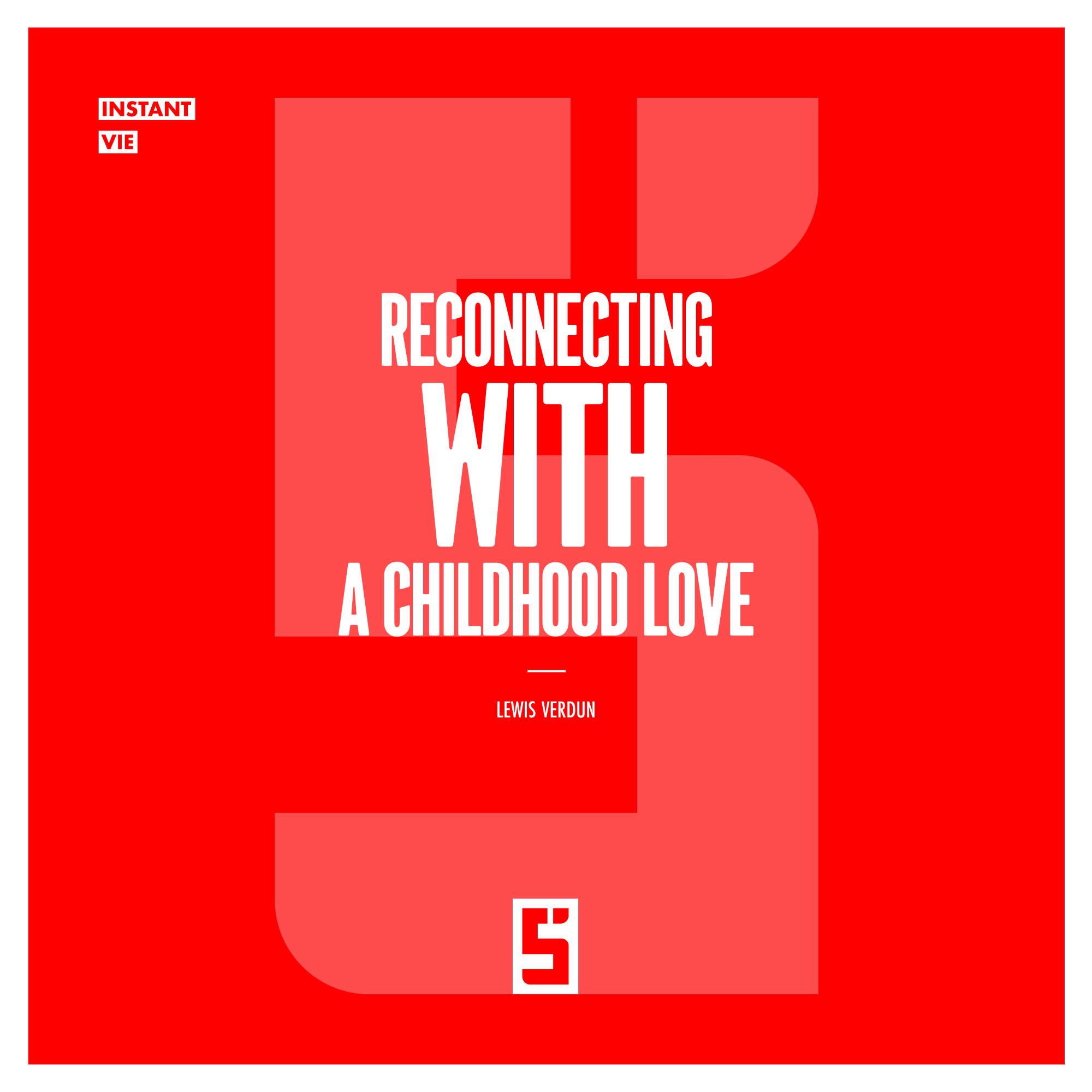
The book “Reconnecting with a Childhood Love” by Léwis Verdun, published in the INSTANT LIFE collection by Five Minutes, explores these questions through recent findings in social psychology, neuroscience, and relationship studies. It is an insightful read for anyone reflecting on the role that the past plays in their emotional and romantic life.
Discover Reconnecting with a Childhood Love now on Five Minutes.