


 Français
The digital revolution has profoundly transformed the way we work, consume, and do business. Today, launching an online store, selling digital products, or offering professional skills remotely has become accessible to an increasingly broad audience.
However, starting an online business does not guarantee success. Behind the promises of financial freedom and passive income lie economic realities that are often underestimated. How can you identify a genuine opportunity, minimise risks, and build a business capable of generating sustainable revenue?
Why Are Online Businesses So Appealing?
Digital entrepreneurship offers a level of flexibility that is difficult to find in some traditional business models. It allows entrepreneurs to reach international customers, work remotely, and, depending on the chosen activity, reduce initial investment costs.
The widespread availability of digital tools, e-commerce platforms, and artificial intelligence also makes launching new ventures easier.
However, this accessibility leads to increased competition. Standing out requires more than simply having an online presence: businesses must offer a relevant, distinctive solution that addresses a genuine need.
The growth of e-commerce recorded by Eurostat over the past decade reflects a lasting transformation in commercial habits.
Find a Niche Rather Than Targeting Everyone
One of the most common mistakes made by aspiring entrepreneurs is trying to appeal to an overly broad audience. A specialised business, however, can enjoy a significant competitive advantage.
Identifying a niche involves recognising a group of consumers who share specific needs, expectations, or challenges.
For example, rather than selling general time management courses, an entrepreneur could offer programmes specifically designed for freelancers.
Analysing online searches, customer reviews, and consumer trends helps entrepreneurs better understand market expectations before investing.
Test Your Idea Before Investing
Building a sophisticated website, purchasing large amounts of inventory, or committing to a substantial advertising budget from the outset can put a business venture at risk.
A gradual approach involves testing a concept with a limited audience. A landing page, a pilot offer, or an initial service can help measure consumer interest.
The objective is to determine whether customers are genuinely willing to pay for the proposed solution. This approach reduces financial risks and makes it easier to refine the business concept.
Artificial Intelligence: A Powerful Accelerator for Entrepreneurs
Artificial intelligence is gradually transforming digital entrepreneurship. It simplifies content creation, data analysis, offer personalisation, and the automation of certain administrative tasks.
Independent entrepreneurs can therefore save time when managing their businesses without necessarily requiring a large team.
However, these technologies cannot replace strategic thinking or an understanding of customer needs. Their true value lies in their ability to support informed human decisions.
Build a Digital Presence That Inspires Trust
Visibility is a major challenge for any online business. Search engine optimisation (SEO), social media, content marketing, and email campaigns help businesses gradually attract a qualified audience.
But attracting visitors is not enough. A consistent brand identity, transparent information, secure payments, and responsive customer service all contribute to turning visitors into buyers.
Customer retention is also essential. Building lasting relationships with customers can reduce dependence on advertising expenditure and strengthen the financial stability of a business.
Prioritise Profitability Over Promises of Quick Income
High revenue does not necessarily mean that a business is profitable. Transaction fees, advertising expenses, software subscriptions, and operating costs must all be taken into account.
Regularly monitoring expenses, profit margins, and financial performance enables entrepreneurs to make more informed decisions. Success depends more on understanding and managing these indicators than on pursuing immediate growth.
Digital entrepreneurship represents an exciting opportunity for anyone looking to develop an independent business. However, achieving success requires methodical planning, patience, and a constant ability to adapt.
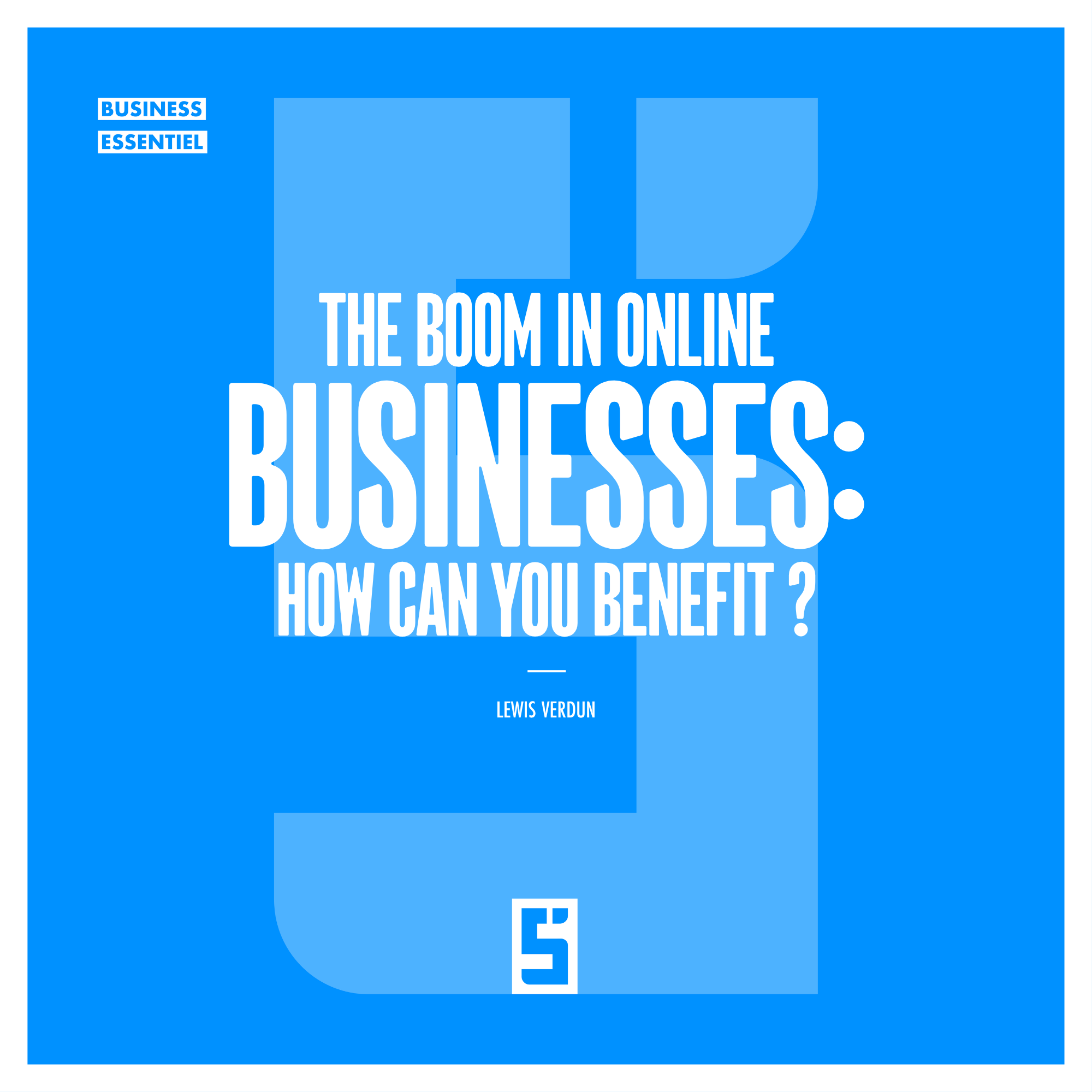
In his book The Online Business Boom: How to Profit from It?, Léwis Verdun offers an accessible, well-researched exploration of digital business models, customer acquisition strategies, and practical methods for building a profitable and sustainable venture.
Would you like to turn your idea into a genuine business opportunity and avoid the pitfalls of digital entrepreneurship?
Discover The Boom in Online Businesses : How Can You Benefit ?, published by FIVE MINUTES ÉDITIONS as part of the Business Essentials collection.