


 Français
 Why do we buy one product over another? Is it quality, price, influencer marketing — or simply an impulse?
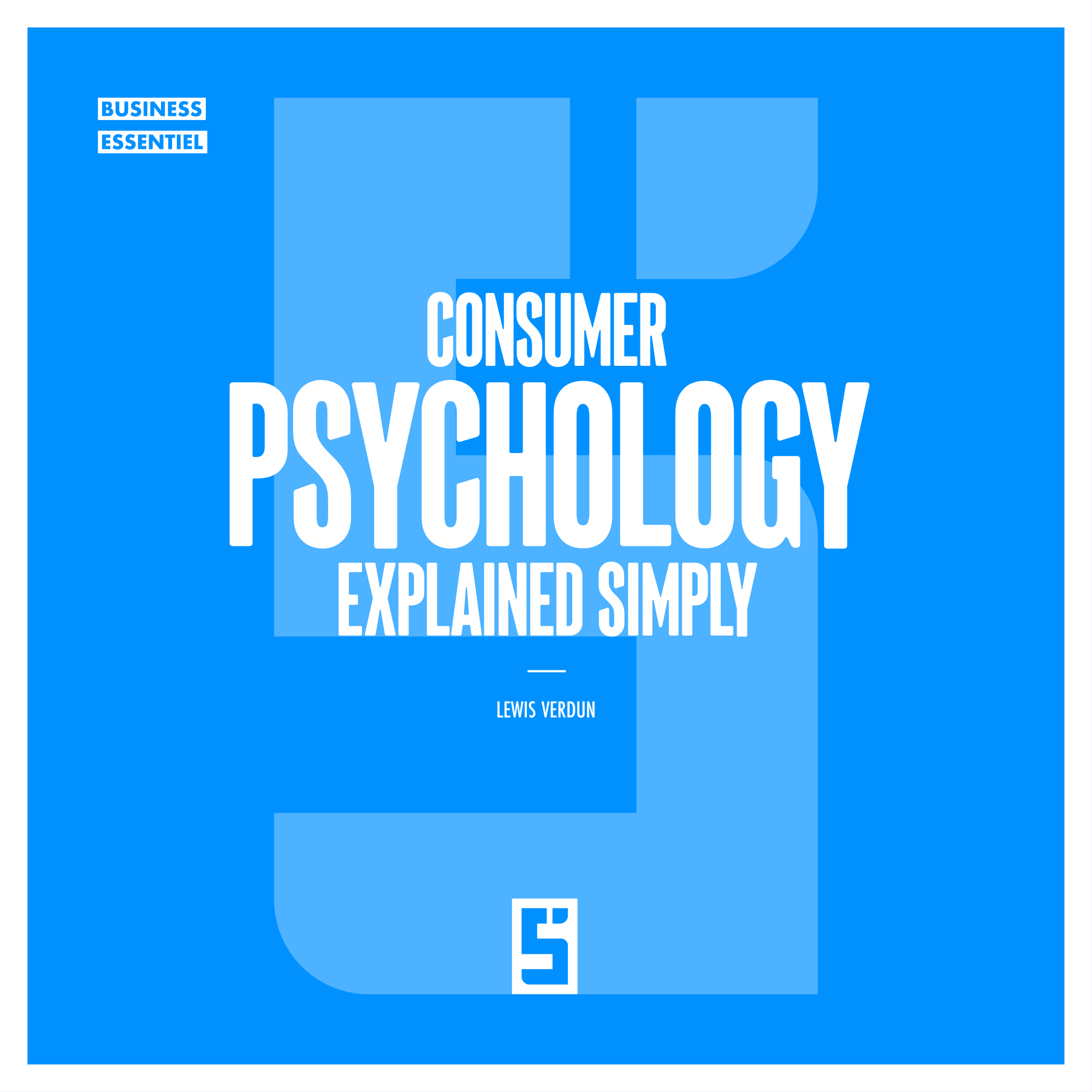
In Consumer Psychology Explained Simply, Léwis Verdun delivers a clear and captivating look into what happens inside our brains when we make a purchase — whether tapping a screen or swiping a card.
Published by Five Minutes as part of the Echoes of Everyday Life collection, this concise book unpacks the psychological, social, and technological mechanisms that drive modern consumption in 2025.
The Unconscious Mind: The True Engine of Our Decisions
Most of our choices aren’t rational. Neuroscientists estimate that over 90% of purchasing decisions are driven by unconscious processes.
These are what we call cognitive biases — mental shortcuts that help us decide quickly, but not always wisely.
For instance, the scarcity bias makes us crave a product that seems rare or time-limited. The anchoring effect tricks us into seeing a discount as a bargain just because the original price was inflated.
Verdun illustrates these effects through real-life examples: limited-edition drops, flash sales, and “-70% today only” deals — all designed to speak to our emotions before our logic.
He reminds us that these biases aren’t inherently manipulative. When used ethically, they help brands better understand their customers’ emotional needs — and help consumers become more aware of their own decision-making.
The Digital Era and the Power of Influence
With 1.5 billion active TikTok users and the rise of social commerce, purchasing decisions now happen in hyper-personalized digital ecosystems.
Algorithms have become the new opinion leaders, replacing traditional ads.
Customer reviews, influencer content, and AI-generated recommendations subtly shape our buying habits.
The book highlights that authenticity is now the top driver of trust: today’s consumers reject overly polished advertising and crave transparency.
Verdun also explores how generative AI (like ChatGPT and Midjourney) reshapes brand storytelling — creating personalized content, guiding voice searches, and intensifying emotional engagement.
Yet this revolution comes with a cost: the standardization of desire. When algorithms predict our tastes, our choices risk becoming predictable — even programmed.
The Rise of Ethics and Sustainability
In 2025, environmental awareness and the pursuit of meaning redefine what “value” means.
Younger generations — particularly Millennials and Gen Z — don’t just want to buy; they want to belong and make an impact.
The book shows how brands that emphasize sustainability, traceability, and data ethics earn greater loyalty and credibility.
Examples include local manufacturing, secondhand platforms, and brands transparent about their carbon footprint.
Verdun emphasizes that modern consumer psychology is rooted in trust, not just visual persuasion.
Meanwhile, older consumers are rediscovering the value of homemade goods, slower living, and simplicity.
While young people seek immersive digital experiences, their elders long for tangible, human, and authentic connections.
The New Psychological Levers of Commerce
Drawing from recent data (Nielsen, PwC, Statista, and others), Verdun identifies three key psychological levers shaping 2025 consumer behavior:
The need for recognition: Shoppers want to be seen and heard — through reviews, comments, and interactions.
The pursuit of experience: Buying is no longer about owning; it’s about feeling.
The demand for coherence: A brand that fails to align its values with its actions instantly loses credibility.
This “neuro-behavioral” approach helps companies move beyond selling products to creating experiences, emotions, and even a sense of belonging.
From Insight to Action: Building a Conscious Strategy
One of the book’s greatest strengths lies in its practical insights.
Verdun goes beyond theory, showing how businesses can apply behavioral psychology to improve customer experience — by simplifying purchase paths, reducing information overload, and personalizing offers without invading privacy.
Each chapter includes scientific insights, recent studies, and actionable advice — perfect for entrepreneurs, marketers, and curious readers who want to make smarter, more intentional choices.
A Guide to Understanding the Consumer of Tomorrow
With its clear and engaging tone, Consumer Psychology Explained Simply goes beyond marketing — it’s an exploration of what drives human behavior itself.
Why do we crave certain things? What does our shopping cart reveal about our emotions? And how can companies reconcile profit with purpose?
In less than ten minutes, this short yet powerful read delivers an up-to-date synthesis of economic, technological, and social shifts.
It reminds us that to consume is to express who we are — and to understand our purchasing psychology is to reclaim control over it.
Discover Consumer Psychology Explained Simply now on FIVE MINUTES and dive into the fascinating world of human decision-making.