


 Français
 Cuisine is never neutral. Behind every recipe lie centuries of migration, exchange, conflict, innovation and resilience. Speaking about cuisine and history of peoples means exploring a universal language that connects past and present, the intimate and the political, the local and the global.
In the age of food globalization, our plates reflect complex dynamics: diasporas preserving traditions, institutions protecting culinary heritage, economic powers reshaping production systems, and citizens seeking meaning through more responsible eating.
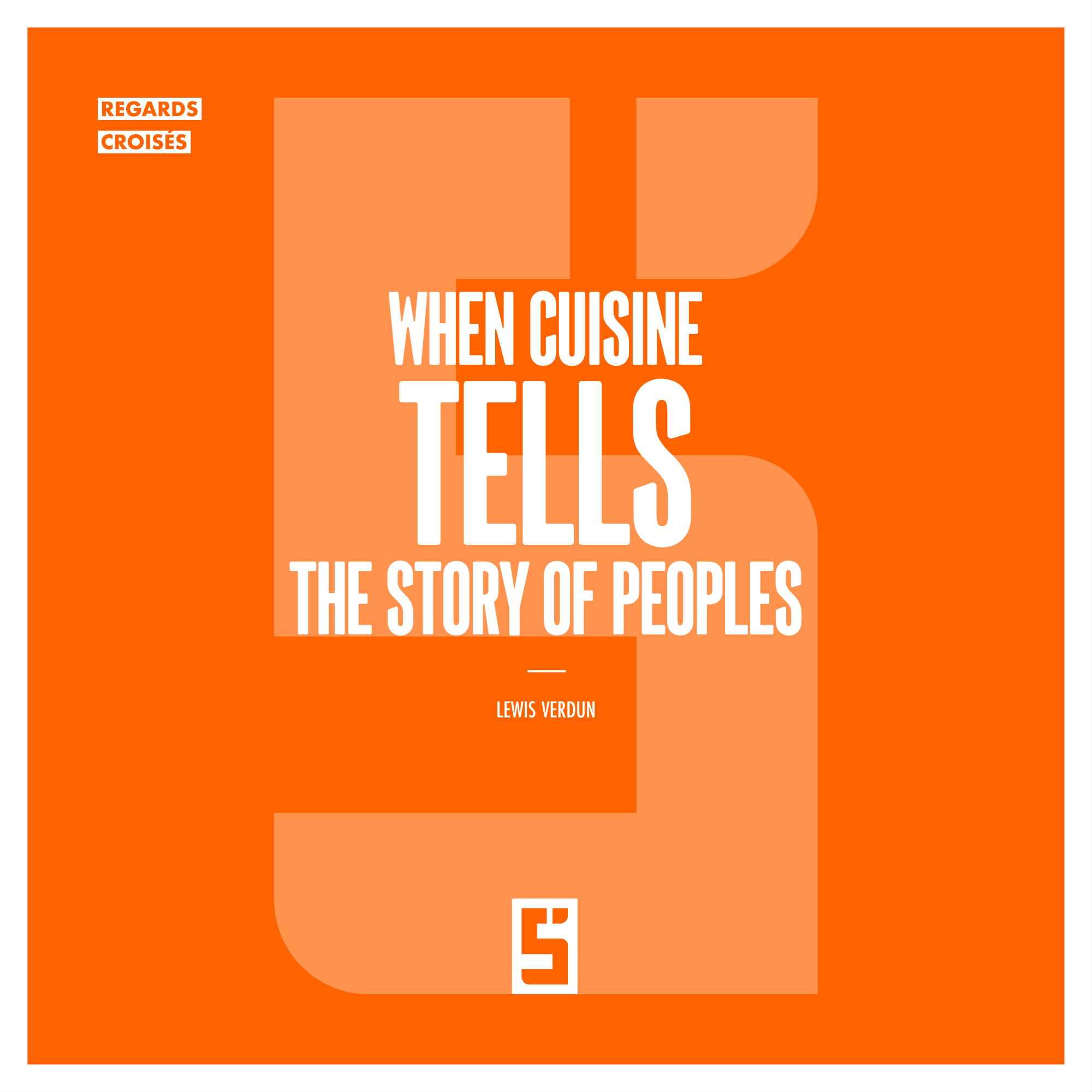
The book When Cuisine Tells the Story of Peoples by Léwis Verdun, published by Five Minutes in the REGARDS CROISÉS collection, shows that our meals are far more than biological needs: they are living archives.
Cuisine as Collective Memory and Living Heritage
Culinary heritage is a pillar of cultural identity. It is not only fixed recipes, but practices transmitted, adapted and reinvented over generations.
International recognition of certain food traditions as intangible heritage highlights the central role of food in social cohesion and the transmission of knowledge.
Throughout history, cuisine has served as a refuge of identity. Family recipes become anchors during periods of upheaval. Soup, bread, stews and spices are fragments of history passed down from hand to hand.
Diasporas and Food Globalization: Between Adaptation and Resistance
Food globalization transforms our habits. Ingredients travel quickly, international chains standardize tastes, and digital platforms spread culinary trends on a global scale.
Yet identities do not disappear. Diasporas play a central role in preserving and transforming culinary traditions.
When a community migrates, it carries its recipes with it. These evolve through contact with new products and new economic realities. Hybrid cuisines emerge as symbols of integration and creativity.
Food also becomes a political issue, touching on sovereignty and social justice.
Nostalgia of Flavors and Well-being
Gustatory memory is powerful. A flavor can instantly awaken a childhood memory.
Tastes and smells are linked to brain areas related to memory and emotion, which explains the deep impact of traditional dishes on our psychological balance.
Preserving a family recipe means preserving a part of oneself. In a standardized world, returning to authentic flavors becomes a form of cultural resistance.
Food, Climate and Biodiversity
The history of cuisine is linked to natural resources. Climate change and industrial agriculture are reshaping our food systems.
The disappearance of traditional varieties leads to the loss of ancestral knowledge. At the same time, initiatives are emerging to protect local seeds and support producers.
Our choices influence:
Ecosystem preservation
Agricultural biodiversity
Working conditions
Local economies
Adopting more responsible eating reconnects cuisine and history of peoples with their ecological dimension.
Taking Action in Daily Life
Preserve family recipes
Support local producers
Diversify your diet
Stay informed about food policies
Reduce food waste
Our plates tell the story of the world. They speak of migration, resilience and solidarity.
When Cuisine Tells the Story of Peoples invites us to rethink the way we eat and to understand that every meal can become a civic act.