


 Français
 Sleep has become a modern paradox. Never before have societies talked so much about wellness, performance, and mental health, yet nights continue to grow shorter year after year. Between constant screen exposure, demanding work schedules, and the pressure to stay productive, sleep is often seen as wasted time. Many people are searching for a miracle solution: sleeping less while still performing at their best.
But recent scientific research tells a very different story. The real challenge may not be reducing sleep, but improving its quality. Technological innovations, neuroscientific discoveries, and healthier lifestyle habits are gradually transforming the way we think about restorative rest.
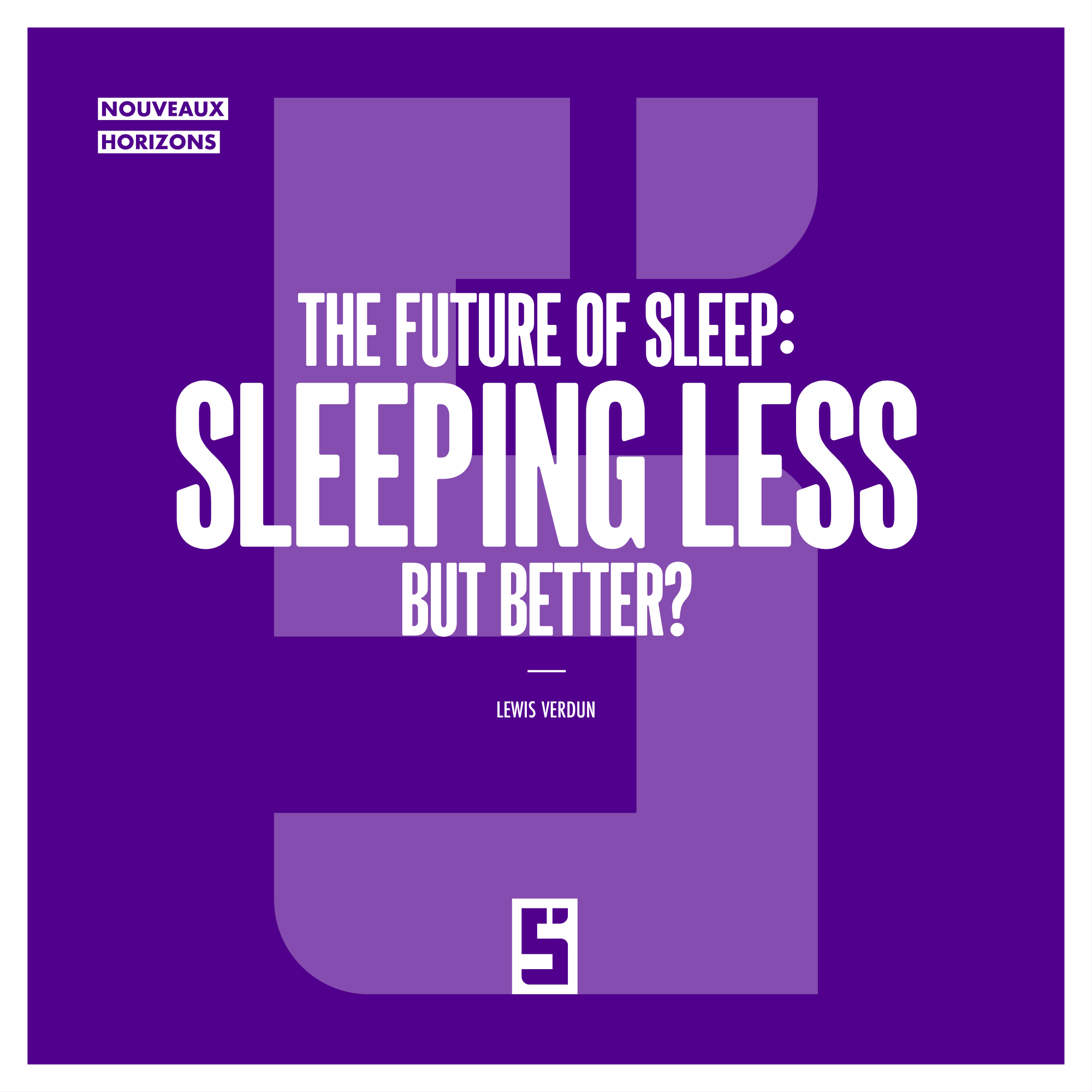
The book The Future of Sleep: Sleeping Less but Better? by Léwis Verdun explores this transformation in depth. Through a clear and accessible analysis, it highlights the health, economic, and technological challenges surrounding modern sleep. At the same time, it offers a fascinating reflection on what our nights may look like in the future.
Why Society Is Sleeping Less and Less
Over the past several decades, average sleep duration has declined across many industrialized countries. The reasons are numerous: irregular schedules, chronic stress, artificial lighting, and constant digital stimulation.
The human brain functions according to a precise biological rhythm. Natural light regulates the production of melatonin, the hormone responsible for sleep. When this cycle is disrupted by screens or late-night habits, falling asleep becomes more difficult and recovery less effective.
The issue goes far beyond simple fatigue. Chronic sleep deprivation can have major consequences, including:
- increased cardiovascular risk;
- weakened immune function;
- memory and concentration problems;
- anxiety and depression;
- weight gain and metabolic disorders.
According to several public health studies, sleep deprivation also represents a significant economic burden due to reduced productivity and fatigue-related accidents.
The myth of the “high-performing short sleeper” remains deeply rooted in modern culture. Some famous entrepreneurs even portray short nights as a symbol of success. However, specialists emphasize that only a small genetic minority can truly function well on minimal sleep without physiological consequences.
Can New Technologies Improve Our Nights?
The sleep technology market is experiencing remarkable growth. Smartwatches, biometric sensors, mobile apps, and intelligent mattresses all promise to analyze and optimize sleep cycles.
These tools respond to a growing need: understanding sleep better in order to improve energy, health, and overall well-being.
Among the most popular innovations are sleep trackers capable of analyzing nighttime cycles, EEG headsets that measure brain activity, and smart mattresses that automatically adjust temperature and comfort throughout the night.
Some advances go even further. Artificial intelligence can now identify sleep abnormalities that may reveal early-stage health conditions. Connected medical devices are increasingly capable of helping people manage sleep apnea or chronic insomnia.
However, these technologies also raise an important question: can we truly outsource our sleep to algorithms?
Many experts warn against “orthosomnia,” an unhealthy obsession with achieving perfect sleep metrics through digital monitoring. By trying to measure every aspect of rest, some users ironically create even more nighttime anxiety.
Sleeping Better: The Habits That Actually Work
Despite the promises of technology, the foundations of restorative sleep often remain surprisingly simple. Current research confirms the importance of several daily habits.
Exposure to natural light early in the morning plays a key role in regulating the body’s internal clock. Conversely, reducing screen exposure at night helps stimulate the natural production of melatonin.
Room temperature also significantly affects sleep quality. A slightly cooler environment promotes faster sleep onset and deeper restorative phases.
Here are some scientifically recognized habits for improving sleep quality:
- maintain consistent sleep schedules;
- reduce caffeine intake later in the day;
- avoid heavy evening meals;
- engage in moderate physical activity;
- create a calm and dark sleeping environment;
- establish relaxing bedtime routines.
Short naps can also be beneficial when used correctly. Contrary to the popular idea of polyphasic sleep as a revolutionary productivity method, studies suggest that brief daytime naps are generally far more effective than drastically fragmented sleep schedules.
This distinction is explored extensively in The Future of Sleep: Sleeping Less but Better?, which challenges many common misconceptions about productivity and rest.
Sleep Is Becoming a Global Industry
Sleep is now at the center of a rapidly expanding global economy. Once considered a basic biological necessity, it has evolved into a strategic sector combining health, wellness, and innovation.
The rise of “sleep tourism” perfectly illustrates this trend. Some hotels now offer rooms specifically designed to optimize rest, featuring advanced soundproofing, smart bedding, light therapy, and personalized relaxation programs.
The phenomenon known as “sleep divorce” is also becoming increasingly common. More couples are choosing to sleep separately in order to improve their nightly recovery. Once viewed negatively, this practice is now often discussed from a wellness perspective.
The connected-device industry is heavily investing in this field through products such as aromatherapy diffusers, ergonomic pillows, breathing sensors, and guided meditation apps.
This evolution demonstrates how sleep has become both a public health priority and a major economic opportunity.
What the Future of Sleep Could Really Change
The future of sleep will probably not involve drastically reducing the number of hours we rest. Instead, scientific progress points toward more personalized approaches.
Thanks to biometric data and artificial intelligence, future recommendations may become increasingly tailored to individual needs. Certain targeted treatments may even help detect sleep disorders before symptoms appear.
Research into the connections between sleep, immunity, and mental health is also opening major new perspectives. Sleep is now widely recognized as a central pillar of preventive healthcare.
But this transformation also raises a deeper cultural question: are we ready to treat sleep as a vital necessity rather than an obstacle to productivity?
Ultimately, real progress may come from learning to respect our biological rhythms instead of constantly trying to override them.
Sleep is no longer just a medical topic; it has become a reflection of our lifestyles, our relationship with time, and our pursuit of performance. Between technological innovation, new wellness habits, and scientific discoveries, one conclusion stands out clearly: better sleep is essential for protecting both physical and mental health.
The book The Future of Sleep: Sleeping Less but Better? by Léwis Verdun offers a fascinating exploration of these contemporary challenges. Accessible, insightful, and highly relevant, it helps readers understand why sleep quality will become one of the defining health issues of the coming years.
Discover The Future of Sleep: Sleeping Less but Better? now on FIVE Editions.