


 Français
 In a society where digital interactions continue to multiply while meaningful relationships seem to fade away, one reality has become impossible to ignore: we have never been so connected, yet so lonely. Modern loneliness affects every generation, and its consequences go far beyond occasional sadness. Chronic stress, anxiety, sleep disorders, emotional exhaustion, and weakened immunity are all linked to prolonged social isolation.
As researchers and health experts continue to explore this issue, one topic has gained increasing attention: the healing power of authentic human relationships. Genuine friendships play a much deeper role in our lives than many people realize. They support emotional balance, strengthen resilience, and may even contribute to a longer life expectancy.
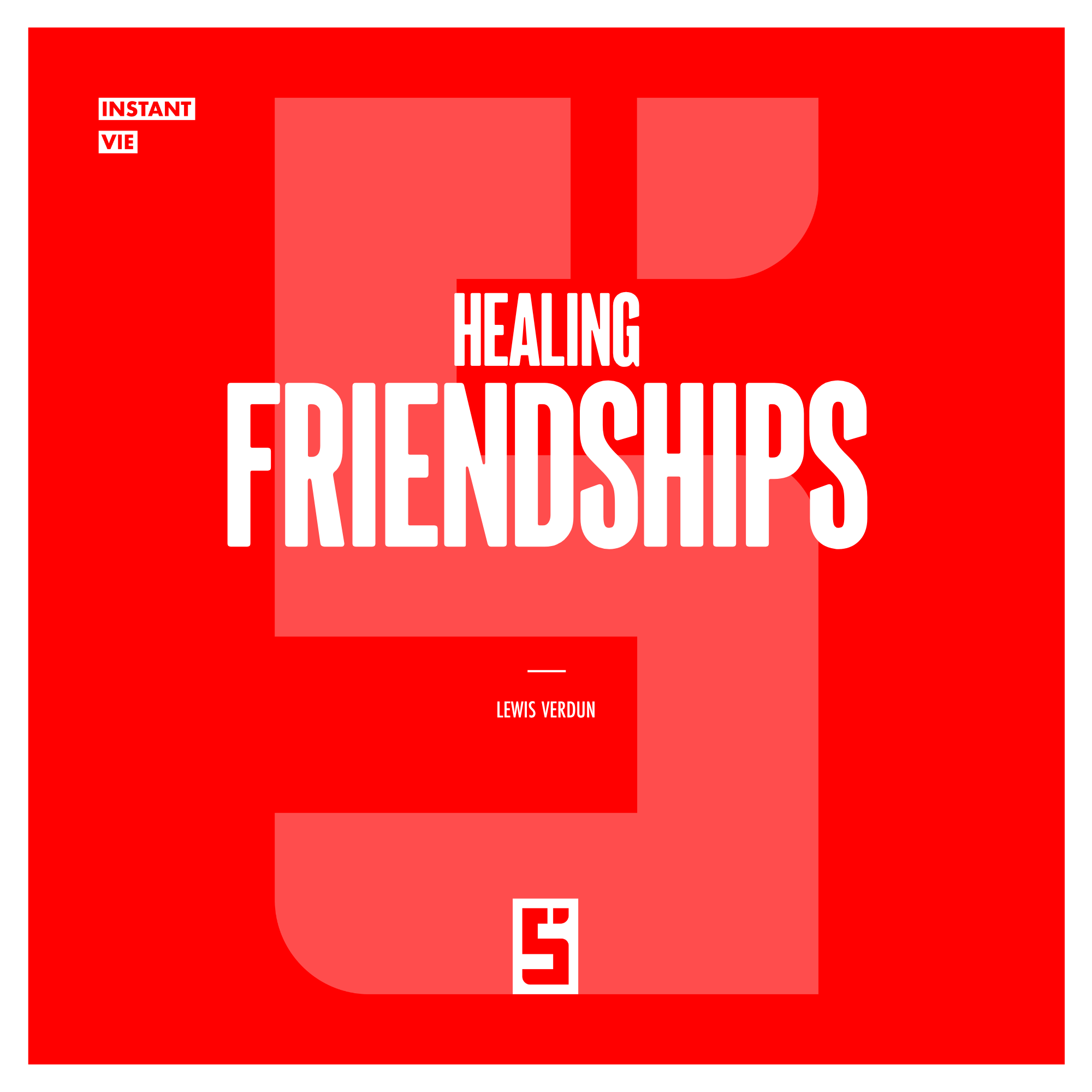
The book Healing Friendships by Léwis Verdun explores this essential dimension of human existence. Drawing on the latest research and practical insights, the book highlights the vital importance of social bonds in a world searching for meaningful human reconnection.
Why Our Brains Need Human Connection
Human beings are biologically designed to live in connection with others. For thousands of years, survival depended on cooperation, mutual support, and belonging to a community. Even today, our brains continue to function according to this deeply social structure.
When we interact with people we trust, our bodies release beneficial hormones such as oxytocin, often referred to as the “bonding hormone.” This chemical promotes relaxation, reduces stress, and increases emotional security.
On the other hand, prolonged isolation raises cortisol levels, the hormone associated with stress. Over time, this can weaken the immune system, increase cardiovascular risks, and contribute to anxiety or depression.
Recent studies also show that high-quality friendships directly influence sleep quality, memory, cognitive performance, emotional regulation, and even longevity.
In other words, friendships are not simply pleasant additions to life — they are a major factor in public health.
Modern Loneliness: A Silent Epidemic
Loneliness affects people of all ages. Students, working professionals, parents, and seniors alike can experience a deep sense of emotional disconnection despite constant access to communication tools and social media platforms.
This contradiction can be explained by several factors: the rise of superficial interactions, increasingly fast-paced lifestyles, remote work, the disappearance of spontaneous meeting places, and the growing difficulty of building lasting relationships.
According to numerous recent studies, social isolation has become a major mental health issue worldwide. Some researchers even compare its effects on health to smoking or physical inactivity.
The concept of “relational famine” discussed in Healing Friendships perfectly captures this phenomenon: we are surrounded by information and digital contacts, yet deprived of genuine human connection.
As a result, many experts are now rethinking the way we live, design cities, and shape public policies in order to encourage authentic social interaction once again.
Friendships as a Source of Emotional Resilience
During difficult times, sincere relationships often become our greatest psychological support system. A strong friendship creates a safe emotional space where people can feel heard without judgment.
People who are socially supported generally cope better with intense stress, grief, career changes, health challenges, and burnout.
Emotional support reduces feelings of helplessness and helps restore inner balance. Even simple, regular conversations can reduce symptoms associated with anxiety and depression.
Researchers now use the term “relational resilience” to describe the ability to recover and grow stronger through meaningful human connections.
This also explains why tightly connected communities often report higher levels of well-being despite facing economic or social difficulties.
Cultivating authentic relationships therefore becomes an essential practice for preserving long-term mental health.
How to Build Deeper Relationships in Everyday Life
Creating meaningful friendships requires time, emotional availability, and sometimes vulnerability. However, a few simple habits can significantly improve the quality of our relationships.
Active listening remains one of the foundations of lasting friendships. Being fully present during a conversation creates a powerful sense of recognition and trust.
Spending time away from screens also encourages deeper and more sincere exchanges. In a world overwhelmed by constant notifications, giving someone your full attention has become a genuine sign of care.
Volunteering and community projects are also excellent ways to develop authentic connections around shared values. Participating in collective activities often leads to encounters with people who share similar human aspirations.
Finally, it is essential to relearn how to slow down. Human relationships need time to grow. In a culture built around immediacy, investing in deep friendships has almost become an act of social resistance.
Reinventing Society Around Human Connection
Beyond individual efforts, social connection has become a collective challenge. Some cities are already experimenting with initiatives designed to reduce isolation through community spaces, social cafés, and intergenerational programs.
The concept of “social prescribing,” developed in several countries, even allows healthcare professionals to direct patients toward social activities instead of relying solely on medication-based treatments.
This approach reflects a growing awareness that mental and physical health cannot be separated from the quality of our human relationships.
In this context, the ideas explored in Healing Friendships strongly resonate with today’s social challenges. The book encourages readers to view friendship not as a simple emotional comfort, but as a fundamental necessity for building more resilient and compassionate societies.
Recent research confirms what many people have intuitively understood for years: human relationships profoundly influence our health, emotional balance, and quality of life. In the face of growing isolation, cultivating authentic friendships has become an essential priority, both individually and collectively.
In a world increasingly dominated by speed and digital interactions, taking care of our human connections may be one of the most valuable investments we can make.
The book Healing Friendships by Léwis Verdun offers a compelling perspective on one of the defining issues of our time. Through accessible analysis and practical solutions, it provides valuable insights into the vital importance of meaningful human connection.
Discover Healing Friendships now on FIVE MINUTES.