


 Français
 Human relationships are both precious and complex. Whether in marriage, family life, friendships, or the workplace, misunderstandings, disappointments, and emotional wounds are part of everyone's experience. Yet one question remains: how do we move forward when trust has been broken?
Forgiveness in relationships is often seen as a difficult, sometimes even impossible, act. Many people confuse it with forgetting, weakness, or accepting unacceptable behavior. In reality, forgiveness is a personal process that allows us to regain inner freedom and improve the quality of our relationships over time.
Understanding how forgiveness works not only helps us manage conflict more effectively but also supports emotional balance and mental well-being. Forgiving does not mean erasing what happened. Instead, it means gradually reducing the power that past hurt holds over the present.
Why Forgiveness Is Essential for Lasting Relationships
No relationship is free from mistakes. Differences in personality, unspoken expectations, communication challenges, or stressful periods can all create tension. What distinguishes healthy relationships is not the absence of conflict but the way conflicts are handled.
Forgiveness plays a crucial role in this process. It helps break the cycle of resentment, which often fuels anger, negative thinking, and emotional distance. When hurt is neither acknowledged nor processed, it can gradually shape the way we perceive the other person. Every new mistake may then be interpreted through the lens of past pain.
By beginning the process of forgiveness, we can regain a more balanced perspective on the relationship. The injured person does not deny what happened but chooses not to allow that event to dictate every emotion or decision.
The ability to forgive can contribute to:
- reduced emotional stress;
- improved mental health;
- greater satisfaction in romantic relationships;
- more constructive communication;
- increased resilience during difficult times;
- fewer repetitive thoughts about the offense.
Forgiveness does not mean that the pain disappears overnight. Rather, it is the gradual decision to stop allowing that pain to dominate our inner life.
Forgiveness and Reconciliation: Two Different Processes
One of the most common misconceptions is the belief that forgiving someone automatically requires restoring the relationship.
In reality, forgiveness and reconciliation are two separate processes.
Forgiveness is primarily an internal journey. It depends solely on the person who was hurt and can occur even if the offender never acknowledges their actions. It allows individuals to gradually free themselves from anger, resentment, and the desire for revenge.
Reconciliation, however, requires participation from both parties. It generally involves acknowledging the harm caused, demonstrating a genuine willingness to change, rebuilding trust over time, and making a mutual commitment to the relationship.
It is therefore entirely possible to forgive while choosing to maintain distance. In situations involving toxic, abusive, or deeply unhealthy relationships, that distance may even be necessary.
Forgiveness never requires abandoning healthy boundaries. A person can experience emotional freedom while still protecting themselves. Understanding this distinction allows forgiveness to be viewed as an act of personal liberation rather than an obligation toward someone else.
The Impact of Forgiveness on Physical and Mental Health
The consequences of emotional wounds extend beyond feelings alone. When people continually relive an injustice, their bodies may remain in a prolonged state of stress.
Resentment can contribute to physical reactions associated with chronic stress, including an increased heart rate, muscle tension, sleep disturbances, fatigue, and irritability. Over time, this sustained stress can affect overall well-being.
Forgiveness can help interrupt this cycle. By gradually reducing repetitive negative thoughts, it allows both body and mind to regain a healthier balance.
Its benefits may include:
- reduced anxiety and stress;
- improved sleep quality;
- less irritability;
- greater inner peace;
- calmer communication;
- increased empathy;
- healthier conflict resolution.
These benefits do not come from forgetting the offense. They arise when individuals gradually stop reliving the painful event as though it were still happening today.
Forgiveness can therefore become a form of emotional self-care. While it cannot change the past, it can profoundly change the way the past influences everyday life.
Learning to Forgive Without Minimizing Your Pain
Forgiveness is rarely immediate. It is often a gradual journey requiring time, reflection, and sometimes professional guidance.
The first step is acknowledging the hurt fully. Trying to forgive too quickly may suppress emotions instead of healing them. Anger, sadness, and disappointment deserve to be recognized and expressed in healthy ways.
It is equally important to distinguish understanding from excusing. Understanding the circumstances that may have influenced someone's behavior does not mean approving of it. This distinction makes it possible to see the situation more clearly without minimizing the suffering involved.
Several practices can support the process:
- identify exactly what caused the hurt;
- acknowledge your emotions;
- avoid blaming yourself for another person's actions;
- seek understanding without justifying harmful behavior;
- consciously choose not to nurture revenge;
- rebuild emotional balance;
- establish healthy boundaries for the future.
Forgiveness is rarely a straight path. Moments of peace may be followed by renewed anger when memories resurface. This does not mean the process has failed. Emotional healing often unfolds gradually.
The REACH Model: A Step-by-Step Path to Forgiveness
Among the structured approaches to forgiveness, the REACH model offers a practical framework. It helps individuals work through painful emotions without denying the seriousness of the offense.
The process begins by recalling the event as objectively as possible. The goal is neither to exaggerate nor minimize what happened but to recognize both the facts and their consequences.
It then encourages the development of empathy. This does not mean excusing harmful behavior. Rather, it involves recognizing that actions may be influenced by personal history, fears, emotional wounds, or immaturity.
The next step invites individuals to view forgiveness as a freely chosen gift. Reflecting on a time when they themselves received forgiveness or a second chance can help reinforce this perspective.
The process also involves making an internal commitment to forgive and remaining faithful to that commitment whenever painful emotions return.
The REACH model reminds us that forgiveness is a practice rather than a single emotional experience. It may begin with a conscious decision and gradually lead to emotional healing.
Practical Habits for Building More Peaceful Relationships
Forgiveness becomes easier when it is part of a broader commitment to emotional intelligence and healthy communication.
Addressing frustrations early helps prevent small disagreements from growing into lasting resentment. Calm, respectful conversations are generally far more productive than allowing grievances to accumulate over time.
Active listening also plays a vital role. Allowing someone to finish speaking, reflecting back what you have understood, and confirming that your interpretation is accurate can prevent many unnecessary conflicts.
Other habits that strengthen relationships include:
- discussing behaviors rather than attacking character;
- using "I" statements to express feelings;
- taking time before responding in anger;
- accepting that others may have different perspectives;
- acknowledging your own mistakes without becoming defensive;
- maintaining healthy personal boundaries;
- practicing gratitude and appreciating positive shared experiences.
Mindfulness can also help people observe their emotions without reacting impulsively. Taking a few moments to breathe, write down thoughts, or postpone a difficult conversation may prevent words that would deepen the conflict.
Within romantic relationships, these habits strengthen trust. They do not eliminate disagreements, but they create an environment where both people feel heard, respected, and emotionally safe enough to admit mistakes.
Forgiveness in relationships is neither weakness nor surrender. It does not require forgetting an injustice, denying emotional pain, or reconnecting with someone who remains harmful. Instead, it is a way of reclaiming control over one's emotional life and refusing to let past wounds dictate the future.
Learning to distinguish forgiveness from reconciliation, acknowledging emotions, understanding the dynamics of resentment, and moving forward step by step can lead to healthier and more fulfilling relationships. This journey also promotes inner peace, emotional well-being, and more effective conflict management.
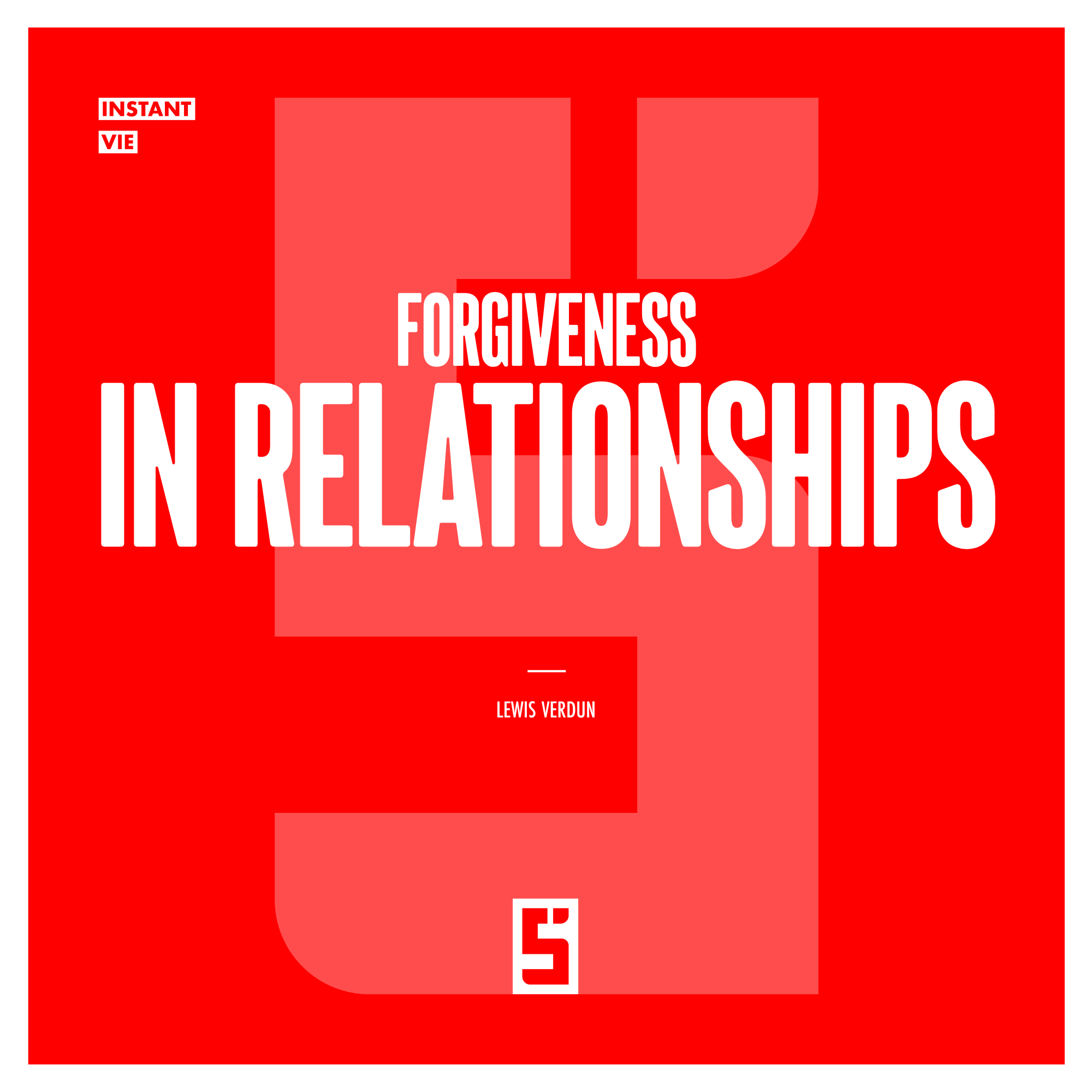
To explore these ideas in greater depth, discover the psychology of forgiveness, and learn practical approaches such as the REACH model, Forgiveness in Relationships by Léwis Verdun offers an accessible, research-based, and deeply compassionate guide.
Discover Forgiveness in Relationships by Léwis Verdun today on FIVE MINUTES.